 Save
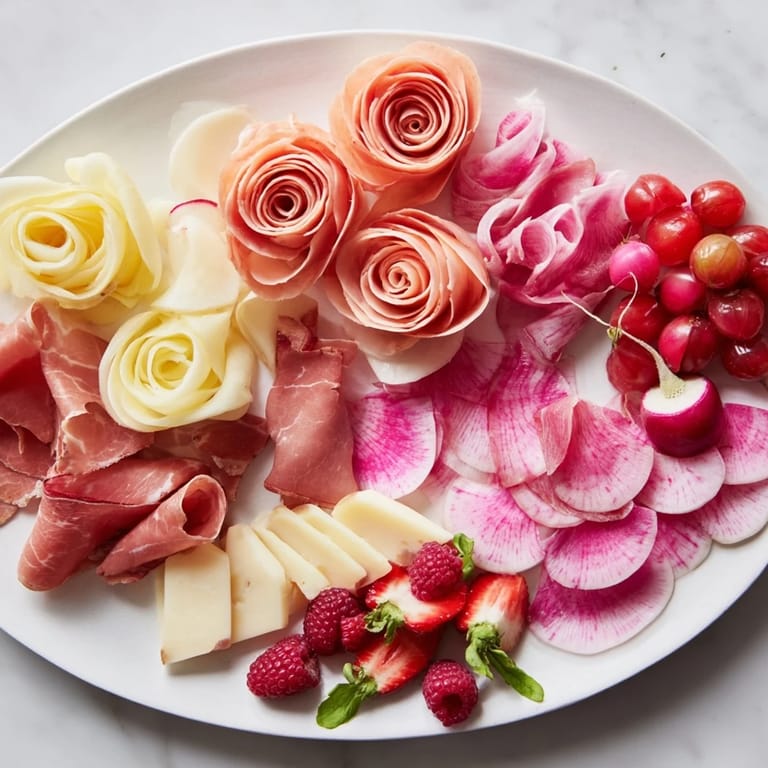
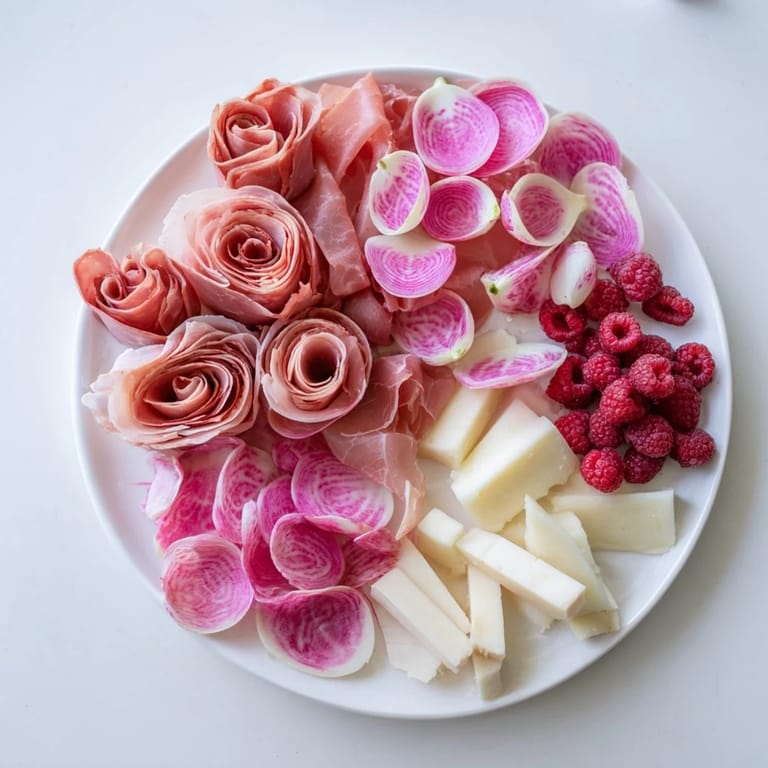
Save I discovered this platter while arranging ingredients for a spring brunch, and something magical happened when I started layering the pinks and reds together. The soft hues of prosciutto roses, pale radishes, and blushing cheeses created this dreamlike watercolor effect that made me pause. My guests didn't just eat it—they photographed it, admired it, and kept saying how it felt too beautiful to touch. That's when I realized this wasn't just an appetizer; it was edible art that brought people together through both visual wonder and genuine flavor.
I'll never forget the moment a close friend walked into my kitchen during a spring brunch I was hosting and literally gasped when she saw this platter coming together. She said it looked like someone had painted it, and suddenly I understood why this arrangement matters so much—it transforms a simple board into a conversation starter, a moment where everyone gathers around not just to eat, but to celebrate something beautiful.
Ingredients
- Prosciutto: The silky, delicate slices are your foundation for those romantic rose shapes—they catch light beautifully and add a salty, sophisticated note that makes every bite feel luxurious
- Mortadella: Its pale pink marbling is essential to the watercolor effect, and when you fold it loosely, it creates soft, organic movement across your platter
- Pink radishes: Thinly slice these on a mandoline if you have one—they're crisp, peppery, and their gradient pink shades are absolutely crucial to the painting effect
- Watermelon radish: This is the showstopper vegetable with its hidden pink and white rings—slice it thin and let those patterns speak for themselves
- Cooked beet: Earthy and jewel-toned, it adds depth to your pink palette and keeps everything from looking too one-dimensional
- Pink-hued cheese: Choose something with actual personality—port wine Derby has gorgeous veining, rosé goat cheese brings tanginess, or a berry-washed rind cheese adds subtle fruit notes
- Brie or camembert: Creamy, mild, and essential for people who want something approachable alongside the more daring flavors
- Baguette: Crusty slices provide textural contrast, and they're perfect for spreading cheese or layering with the cured meats
- Rice crackers: A gluten-free option that stays crisp longer than regular crackers and adds subtle sweetness
- Fresh strawberries: Their brightness brings fresh, juicy sweetness and reinforces your pink color story
- Raspberries: Delicate and precious-looking, they add visual interest and a gentle tartness that keeps everything from feeling too heavy
- Edible rose petals or microgreens: The final flourish that whispers elegance without demanding attention
Tired of Takeout? 🥡
Get 10 meals you can make faster than delivery arrives. Seriously.
One email. No spam. Unsubscribe anytime.
Instructions
- Create your canvas:
- Start with a large platter or board as your base—this is your stage. I like to step back and visualize where my color zones will go, imagining light moving across the surface.
- Shape your prosciutto roses:
- Take each slice and gently roll or fold it into a loose rose shape—don't worry about perfection here. Each one will look slightly different, and that's the whole point. Arrange them in small clusters across the platter, leaving breathing room between groups.
- Layer the mortadella:
- Fold the mortadella slices loosely beside the prosciutto, creating soft, organic waves. Watch how the pale pink folds catch the light—this is your first watercolor wash.
- Paint with vegetables:
- Now comes the meditative part: arrange your radish and beet slices in overlapping, slightly fanned layers. Think about watercolor brushstrokes—they should blend visually, with colors transitioning naturally from one shade to another. Don't be rigid; let them lay naturally with slight overlaps.
- Cluster your cheeses:
- Place your pink cheeses and brie wedges in groups, allowing their colors to flow visually with what you've already laid down. Leave some white space from the brie to create contrast against your rosy tones.
- Add your foundations:
- Arrange baguette slices and rice crackers in gentle curves along edges or interspersed throughout. They're not just functional—they're part of the visual composition.
- Scatter fruits with intention:
- Add strawberries and raspberries in small piles, clustering them where you want to anchor the eye or break up large color blocks. Their fresh red brings vibrancy to your softer pinks.
- Final flourish:
- Sprinkle edible rose petals or delicate microgreens across the platter as your signature touch. Step back and look at what you've created—it should feel like a landscape of flavor and color.
- Serve with grace:
- Present immediately so everything is at its peak crispness and freshness, inviting guests to mix and match flavors as they discover their favorite combinations.
 Save
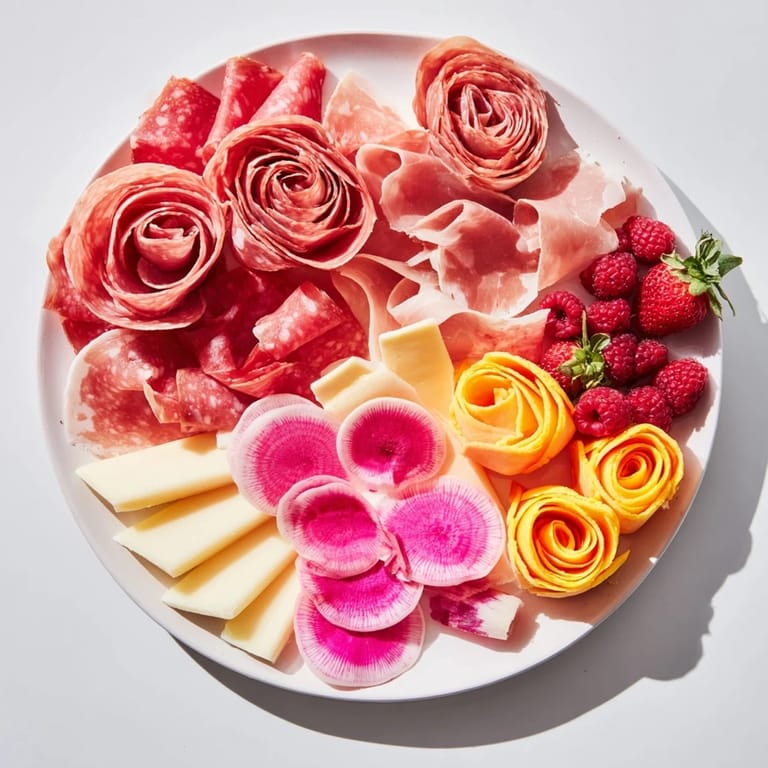
Save There's a moment right after you finish arranging this platter when you step back and realize you've created something that isn't just food—it's a tiny, edible landscape. I remember standing in my kitchen, hands trembling slightly, thinking about how beautiful moments in cooking happen in those quiet minutes before people arrive, when you're alone with what you've created.
Making This Platter Truly Your Own
The beauty of this arrangement is that it adapts to what's available and what you love. Some seasons I lean heavily into reds and include pink peppercorns for a spicy edge, other times I play with texture by adding candied nuts or a spread of whipped goat cheese. I've made vegetarian versions by doubling down on cheeses and vegetables, and honestly, they're just as stunning. The watercolor concept is flexible enough to accommodate whatever ingredients make you excited to cook.
The Perfect Timing and Pairing
This platter shines for spring brunches, elegant appetizer hours, or those moments when you want to impress without spending hours in the kitchen. Rosé wine is the obvious pairing, but I've also served it with sparkling lemonade, champagne, or even a crisp white wine. The key is choosing something as thoughtful and elegant as the platter itself—you're not just eating, you're experiencing a complete moment.
Storage and Make-Ahead Tips
Unlike most appetizer platters, this one thrives on fresh assembly. You can prep all your ingredients earlier in the day—slice vegetables, shape prosciutto, cut cheese—but hold off on final arrangement until guests are about to arrive. I keep everything in separate small containers in the refrigerator, which also means I can adjust the composition based on how I'm feeling when it's time to arrange. This flexibility is one of the reasons I keep coming back to this recipe.
- Prep all components separately and store in airtight containers up to 8 hours ahead
- Assemble the platter within 30 minutes of serving for maximum freshness and crispness
- Keep a damp paper towel nearby while arranging to clean your hands between handling delicate ingredients
 Save
Save This platter taught me that elegance doesn't require hours of labor or complicated techniques—it requires intention and an understanding that sometimes the most beautiful meals are the ones that celebrate simple, quality ingredients arranged with care. Every time I make it, I'm reminded why I love cooking.
Cooking Questions & Answers
- → How do you shape the meats for the platter?
Slice prosciutto thinly and roll or fold each slice into rose-like shapes to add visual elegance on the platter. Mortadella can be loosely folded and layered beside them.
- → What cheeses work best for the pink color theme?
Choose pink-hued cheeses like port wine Derby, rosé goat cheese, or berry-washed rind cheese. Brie or camembert wedges complement the palette while offering creamy textures.
- → How can this platter be adapted for vegetarian guests?
Omit cured meats and increase the variety and quantity of cheeses and vegetables such as radishes and beets for a colorful, satisfying alternative.
- → What garnishes enhance the platter’s presentation?
Edible rose petals or microgreens add a fresh, elegant touch to the arranged ingredients and enhance the pink watercolor effect.
- → Are there recommended pairings for this spread?
Rosé wine complements the flavors beautifully, enhancing the delicate balance of meats, cheeses, and fresh fruit components.
- → What tools help achieve thin vegetable slices?
Using a mandoline slicer helps create uniformly thin slices of radish and beet, contributing to the delicate layering and visual appeal.