 Save
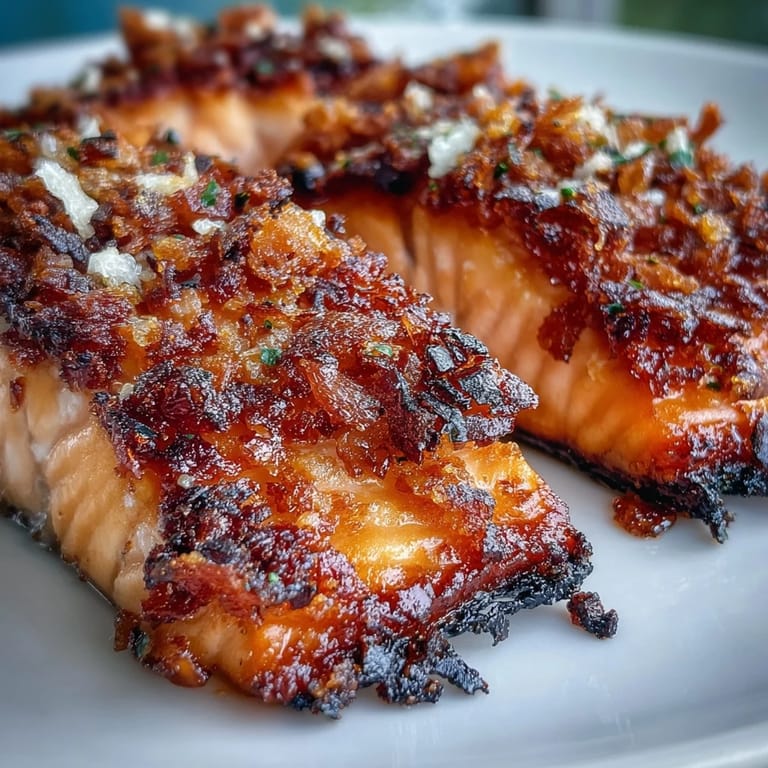
Save There's something almost meditative about watching salmon skin transform from pale and limp to burnished gold and impossibly crispy in just minutes. My kitchen still smells like that first time I nailed the skin—not a trace of that fishy funk that used to plague me, just pure butter and lemon. I'd been intimidated by cooking salmon at home for years, convinced I'd either dry it out or end up with that rubbery, shrunken disaster. Then a friend casually mentioned pressing it gently with a spatula to keep it flat, and suddenly the whole thing clicked. Now this simple pan-seared salmon with lemon garlic asparagus has become my quiet victory meal, the one I make when I want to feel competent and eat something genuinely nourishing in under thirty minutes.
I made this for my partner on a random Tuesday after they'd had a brutal day at work, and watching them pause mid-bite with that look of surprise—like they weren't expecting something this good from our tiny kitchen—reminded me why I love cooking. The asparagus was tender but still had snap, the salmon flaked like it was made of clouds, and somehow the whole plate felt both indulgent and light. We didn't need wine or fancy plating; just two plates, good food, and the knowledge that we could make something restaurant-worthy anytime we wanted.
Ingredients
- Salmon fillets (2 fillets, about 170 g each), skin on: Look for fillets that feel firm and smell like the ocean, not fishy—the skin-on method protects the delicate flesh while delivering that crispy exterior everyone craves.
- Sea salt and black pepper: These aren't filler; they're the foundation that lets the salmon's natural flavor sing without any pretense.
- Olive oil (2 tbsp total): Use a good quality oil that can handle medium-high heat without breaking down, since we're counting on it to create that golden crust.
- Fresh asparagus (250 g), trimmed: Bend each spear gently until it snaps naturally at its own breaking point—this tells you exactly where the tender part begins and the tough woody stem ends.
- Garlic cloves (2), minced: The moment those hit the hot pan, you'll smell why garlic is basically magic in the kitchen.
- Lemon zest and juice: The zest adds brightness and complexity that juice alone can't deliver, so don't skip it even if it feels like extra work.
- Lemon wedges and fresh parsley: These aren't just garnish—they're flavor insurance and a visual reminder that you actually put effort into this.
Tired of Takeout? 🥡
Get 10 meals you can make faster than delivery arrives. Seriously.
One email. No spam. Unsubscribe anytime.
Instructions
- Prepare the salmon:
- Pat those fillets completely dry with paper towels—this is the secret handshake that gets you crispy skin instead of steamed mush. Season generously on both sides and let them sit while you prepare everything else so the salt has time to do its thing.
- Get the pan screaming hot:
- Pour oil into your skillet and let it heat over medium-high until it shimmers and moves around like liquid mercury. You'll know it's ready when it seems almost aggressively hot.
- Salmon meets pan (skin-side down):
- Place the fillets skin-side down gently, then press down with a spatula for about 10 seconds to ensure contact with the hot surface. This pressure is what creates that adhesion and prevents curling—resist the urge to fuss with them after this.
- The crispy skin phase:
- Leave them alone for 4 to 5 minutes while the skin does its work—you'll see the flesh turn opaque from the bottom up, creeping about two-thirds of the way up the fillet. Listen for a gentle sizzle; silence means the pan's lost heat.
- Flip and finish:
- A quick flip and another 2 to 3 minutes skin-side up in the residual heat finishes the job without overcooking. The salmon should feel gently resistant when you press it, not mushy.
- Asparagus moment:
- Pour another tablespoon of oil into the same skillet and add the asparagus spears, letting them get a little color for the first couple minutes. You're building flavor here, not just softening vegetables.
- Garlic joins the party:
- Add minced garlic and sauté for 1 to 2 minutes until the kitchen smells like a Mediterranean dream. This is when you know the aromatic magic is happening.
- Final flourish with lemon:
- Toss in the zest and juice along with salt and pepper, giving everything a good stir so the lemon coats every spear. One more minute of cooking melds all those flavors together.
- Plate and serve:
- Arrange the asparagus as your base, lay that crispy-skinned salmon on top, and scatter lemon wedges and parsley around for color and fresh brightness.
 Save
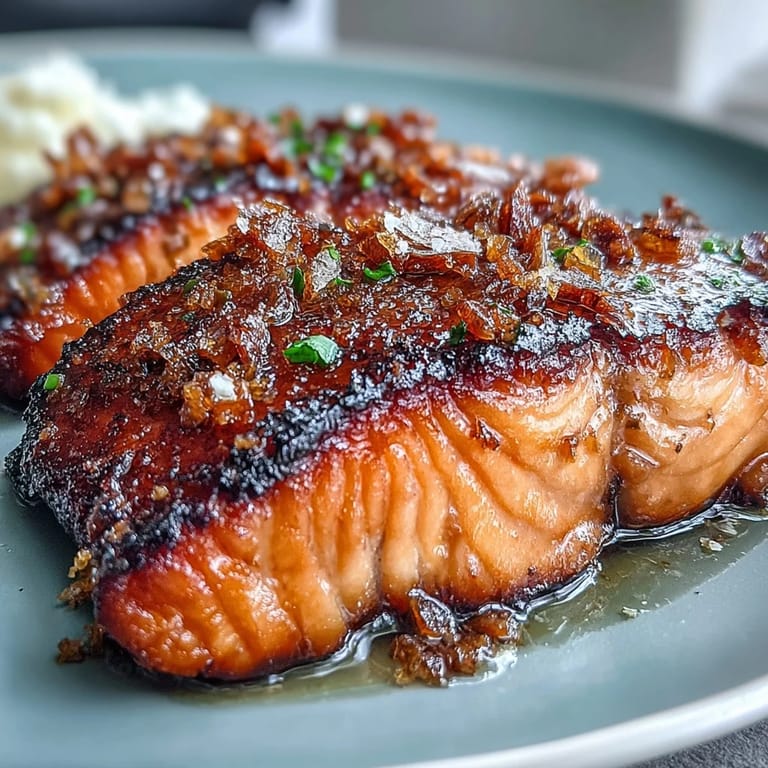
Save My mom tried this last month and texted me photos before she even finished cooking—something about how elegant it looked on the plate. That's when I realized this dish has a quiet confidence to it; it doesn't scream for attention, but it doesn't need to. It just delivers exactly what it promises: crispy, tender, delicious, and ready in time to actually enjoy with someone you care about.
The Science Behind Crispy Salmon Skin
Salmon skin crisps when moisture on the surface evaporates and the proteins begin to break down under high heat, creating a textural boundary between the rendered fat and the tender flesh underneath. The key is that initial sear at medium-high heat with a completely dry fillet—the heat forces water out rather than trapping it, and the pressure from the spatula ensures maximum contact with the hot pan surface. I used to flip too early thinking I was preventing sticking, but the truth is that skin releases naturally once it's properly crisped, usually around the 4-minute mark. If you're hearing a gentle sizzle and smelling that toasted aroma, you're in the perfect zone.
Why This Pairing Works So Well
Asparagus and salmon are one of those classic combinations that persist for a reason—the earthy, slightly bitter green of the asparagus cuts right through the richness of the salmon fat, while lemon and garlic bring brightness that prevents the whole plate from feeling heavy. The acidity from the lemon juice also helps your digestive system process the fat more efficiently, which is probably why this meal never leaves you feeling sluggish. I used to cook asparagus separately and it always felt like two dishes happening to share a plate, but when you sauté it in the same pan where the salmon was, you pick up all those rendered fats and caramelized bits that make it taste like something intentional. It's a small detail that makes the whole experience feel composed rather than assembly-line.
Flexibility and Substitutions
This formula works beautifully with other firm fish like halibut, arctic char, or even swordfish if you adjust the cooking time to match the thickness of your cut. Green beans, broccolini, or even thin-cut zucchini slices work if asparagus isn't available or you're tired of it. If you're in the mood for something with more heat, a pinch of chili flakes in the asparagus pan transforms the whole thing into something slightly more exciting, and I've even added a tiny splash of white wine vinegar in place of half the lemon juice when I wanted the dish to feel different.
- Try keeping the heat a touch lower if your fillets are thicker than 6 ounces—this prevents the outside from burning before the inside cooks through.
- Fresh herbs like dill or tarragon can replace parsley if you want to shift the flavor profile entirely.
- A crack of fleur de sel on top right before serving elevates the texture and reminds you that the best meals aren't always the most complicated ones.
 Save
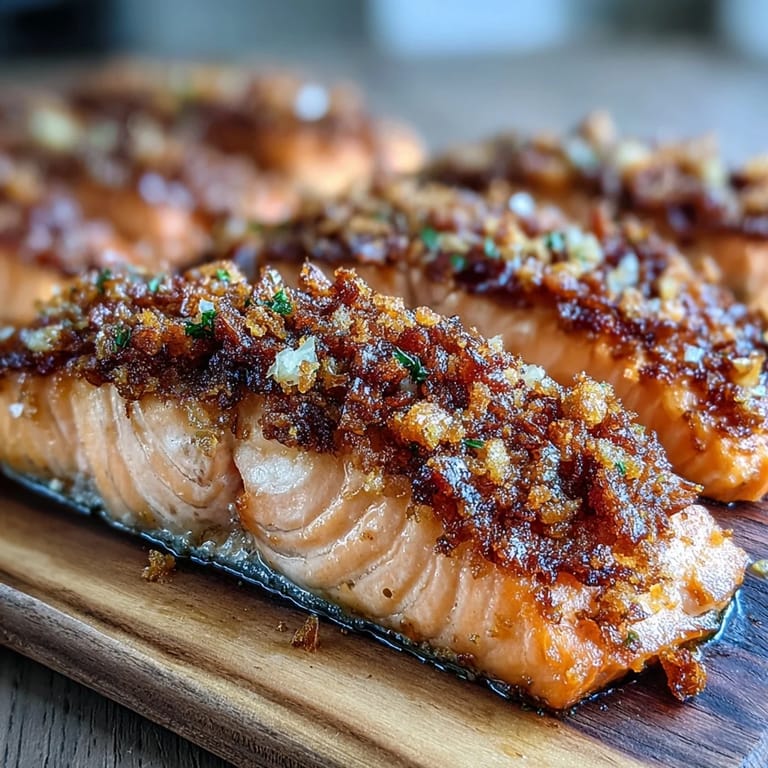
Save Every time I make this, I'm struck by how something so simple—three ingredients, one pan, fifteen minutes of actual cooking—can taste like you spent hours perfecting it. That's the whole point of cooking well: not complexity for its own sake, but clarity of flavor and confidence in execution.
Cooking Questions & Answers
- → How do I get the salmon skin extra crispy?
Pat the salmon skin dry and cook skin-side down on medium-high heat without moving it for 4–5 minutes, using gentle pressure to prevent curling.
- → Can I substitute asparagus with other vegetables?
Yes, green beans or broccoli can be used as alternatives and sautéed similarly with garlic and lemon zest.
- → What type of oil is best for cooking this dish?
Olive oil is recommended for its flavor and heat tolerance, enhancing both salmon and asparagus.
- → How can I add extra flavor to the asparagus?
A pinch of chili flakes added while sautéing brings a subtle heat and depth to the asparagus.
- → What wine pairs well with this dish?
A dry white wine like Sauvignon Blanc complements the citrus and garlic notes perfectly.