 Save
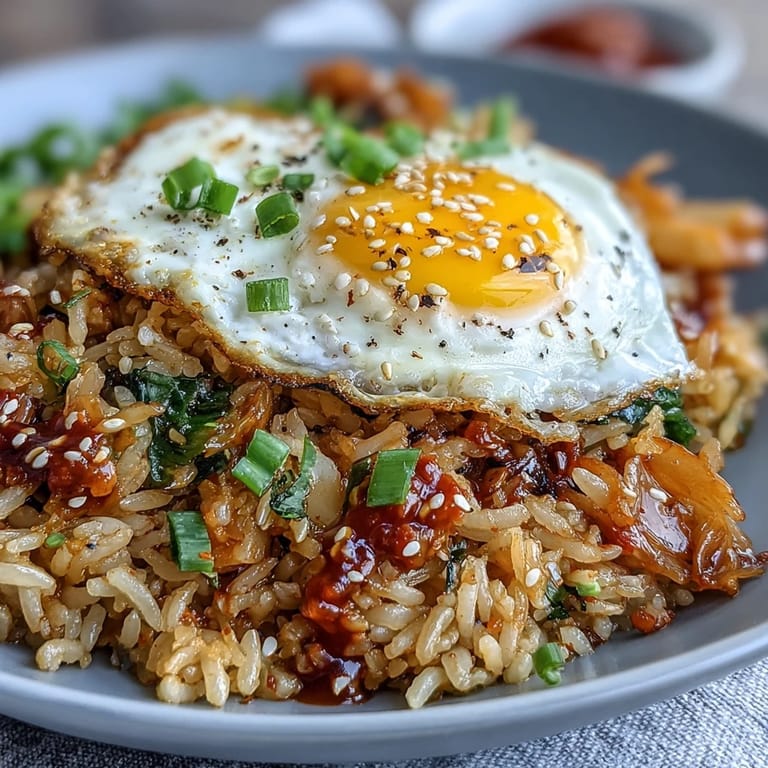
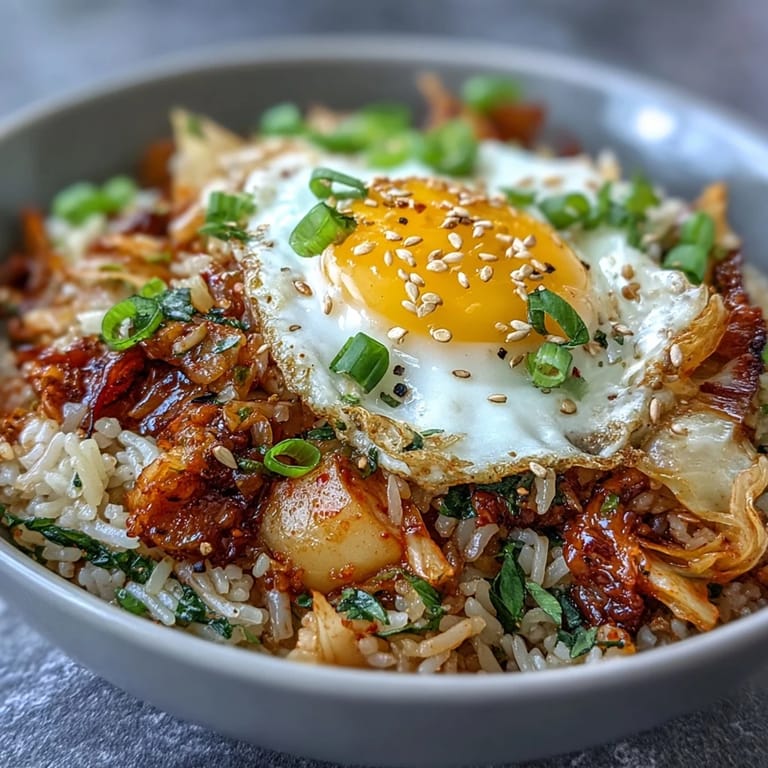
Save The first time I made kimchi cabbage fried rice, my kitchen filled with the irresistible sizzle of vegetables meeting hot oil. It was a chilly night, and as I rummaged through the fridge, tangy kimchi and a lonely head of napa cabbage called out for a quick, fiery makeover. With jasmine rice from last night waiting to be rescued, this became the kind of meal that rewards spontaneity. The best surprise? An egg, yolk barely set, crowning the sizzling rice and sending rich, golden rivers with every forkful.
One particularly rowdy Sunday afternoon, I made this for friends after returning from a brisk autumn hike—still bundled in scarves, we crowded the kitchen, laughing as we tried to outdo each other with kimchi-flipping skills. The faint zing of gochujang lingered in the air, and someone always managed to sneak an extra spoonful of toasted sesame seeds.
Ingredients
- Napa cabbage: Thinly sliced, it softens quickly in the pan and soaks up flavors—choose crisp, pale-green leaves for the freshest bite.
- Kimchi (with juice): The funkier and tangier, the better; always scoop in a bit of that potent brine for an extra punch.
- Green onions: Both white and green parts add sharpness and color—I slice them on the bias to look fancy for zero effort.
- Carrot (optional): Julienne for prettiness and crunch, or skip if you’re feeling lazy.
- Cooked jasmine or short-grain rice: Day-old, chilled rice won’t clump and fries up with a perfect chewy edge.
- Soy sauce: Goes in for salt and umami—taste before adding more, since kimchi has its own kick.
- Gochujang (optional): This deep-red chili paste brings smokiness and heat; adjust to your spice tolerance.
- Toasted sesame oil: A finishing touch that rounds everything out with a nutty aroma—don’t skimp and don’t add too early or it’ll lose its magic.
- Sugar: Just a bit balances the acidity from kimchi—trust me, it matters.
- Ground black pepper: Freshly cracked keeps the flavors bright and warm.
- Large eggs: Fry until the whites are set and yolks ready to burst—best if you resist flipping.
- Neutral oil: Use for fry-ups so flavors stay clean; I use canola but anything mild will work.
- Toasted sesame seeds: Sprinkle with abandon for extra texture and toasty crunch.
- Extra sliced green onions: Scattering these on top makes it pop with color and freshness at the end.
Tired of Takeout? 🥡
Get 10 meals you can make faster than delivery arrives. Seriously.
One email. No spam. Unsubscribe anytime.
Instructions
- Get Everything Ready:
- Chop, slice, and prep all your ingredients before the pan heats up—there’s no time to scramble once the wok is on.
- Stir-Fry Veggies:
- Swirl half the oil into a hot skillet or wok, toss in cabbage and carrot, listening for that quick sizzle, and stir for about two minutes until they yield slightly but stay crisp.
- Kimchi & Green Onions In:
- Add kimchi and green onions, stirring while the kitchen fills with mouthwatering tangy steam for another two minutes.
- Add the Rice:
- Scatter chilled rice over, breaking up clumps with a spatula—press and fold to coat each grain with the mixture, no lurking white spots allowed.
- Sauce It Up:
- Drizzle in soy sauce, gochujang if you’re feeling brave, sesame oil, sugar, and black pepper—keep tossing for 3–4 minutes until the color deepens and everything smells alive.
- Taste & Adjust:
- Steal a bite and tweak; if it needs more punch, splash in extra kimchi juice or a dash of salt.
- Fry the Eggs:
- In a separate nonstick pan, heat the rest of the oil and gently fry eggs sunny-side up—edges lacy, yolks gleaming, just barely set.
- Finish & Serve:
- Divide the hot, savory rice into bowls, crown each with an egg, and shower with sesame seeds and a generous scattering of green onions.
 Save
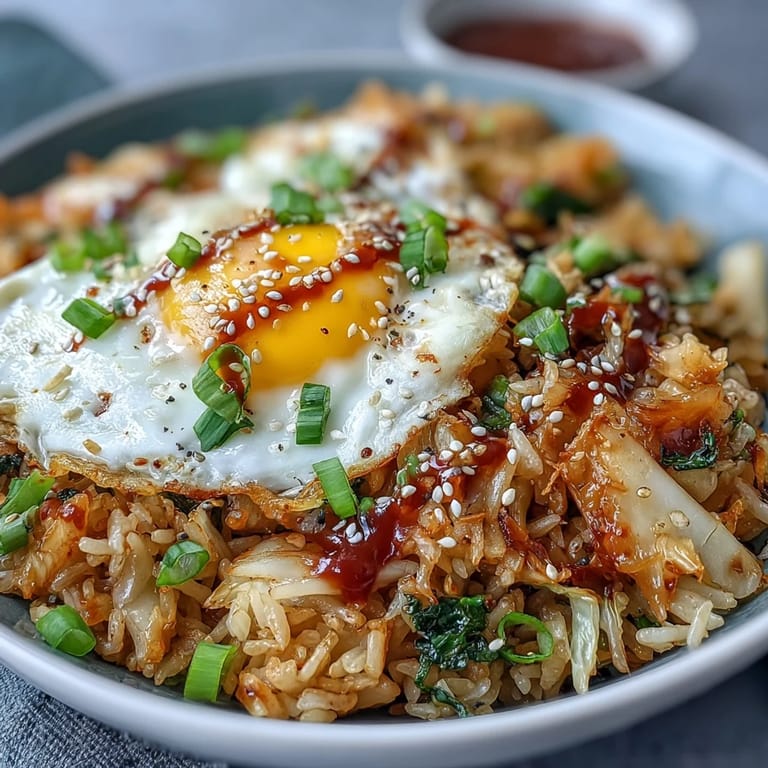
Save There was a quiet afternoon when drizzle tapped the windows and I made this just for myself—eating straight from the skillet, perched at the counter, grateful for the simple pleasure of spicy rice and a perfectly gooey egg to break up the rain.
Why Day-Old Rice is Essential
When I first started frying rice, the biggest game-changer was using leftovers instead of freshly cooked rice—the grains stay separate, never sticky, and the edges crisp up beautifully every time.
How Kimchi Transforms Flavor
Kimchi brings a firecracker tang and gentle heat that no other ingredient can fake; letting some of its briny juice hit the pan guarantees every bite has that signature hit of funky, spicy brightness.
Customizing Your Bowl
This dish flexes with what’s on hand—sometimes I swap in tofu, toss in sugar snap peas for crunch, or layer extra gochujang on wild days.
- Toss in sautéed mushrooms or tofu for plant-based protein.
- If you love crunch, sprinkle crushed nori or roasted peanuts just before serving.
- Start with medium heat to avoid burning the kimchi and rice.
 Save
Save Next time you’re craving something speedy and satisfying, throw this kimchi fried rice together—you might just create a new tradition in your kitchen.
Cooking Questions & Answers
- → Can I use freshly cooked rice?
Freshly cooked rice can be stickier; spread it on a tray to cool or use chilled day-old rice to keep grains separate and get better frying texture.
- → How spicy will it be with gochujang?
Gochujang adds depth and moderate heat. Adjust the amount to taste or omit for a milder profile and rely on the kimchi's tang and heat.
- → How do I prevent soggy cabbage?
Stir-fry cabbage quickly over medium-high heat so it softens but keeps a little bite; avoid overcooking and remove excess liquid from very wet kimchi before adding.
- → What can replace the fried egg for vegan options?
Use sautéed mushrooms, pan-fried tofu slices, or a sprinkle of toasted sesame and extra scallions to add richness and texture in place of an egg.
- → How should I season and balance flavors?
Taste as you go: soy and sesame oil provide umami, a pinch of sugar balances acidity, and gochujang or extra kimchi juice boosts depth—adjust salt and pepper at the end.
- → Any tips for adding protein?
Fold in diced tofu, shredded chicken, or cooked shrimp near the end of frying so they warm through without losing moisture; finish with the fried egg if desired.