 Save
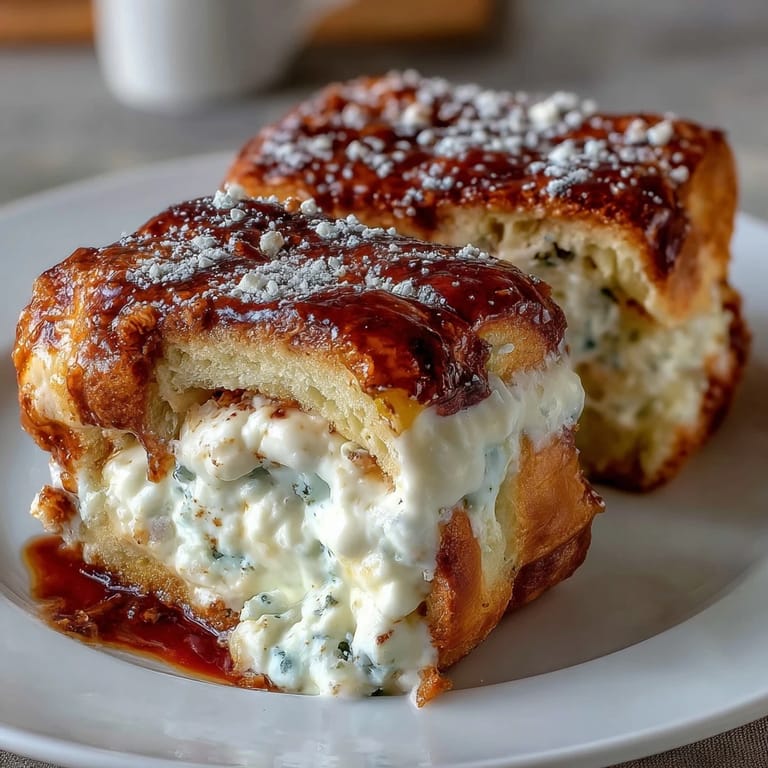
Save My nonna used to make this ricotta pie every Easter, and the kitchen would fill with this almost intoxicating lemon brightness that made you forget about winter entirely. The first time I tried making it myself, I was nervous about the pastry—I'd heard horror stories about tough, crumbly crusts. But what struck me most wasn't the technique; it was how the smell of fresh lemon zest mixed with baking ricotta felt like an actual celebration happening in my oven.
I made this for my best friend's family brunch last April, and watching her face when she tasted that first forkful—the way her eyes widened slightly—told me everything about why this dessert matters. She asked for the recipe immediately, which is the highest compliment in our friendship. Now whenever I bake it, I think of that moment and how food can be a language all its own.
Ingredients
- All-purpose flour (2 cups for pastry, 2 tbsp for filling): The small amount in the filling helps set the ricotta without making it dense, while the pastry flour needs to be measured generously for a tender crust.
- Granulated sugar (3/4 cup for filling): This sweetens the ricotta gently; too much masks the lemon, too little and it tastes flat and chalky.
- Cold unsalted butter (1/2 cup, cubed): Keep it genuinely cold—if it warms up while you're working, your crust will be greasy instead of flaky and tender.
- Eggs (3 large for filling, 1 whole plus 1 yolk for pastry): These create the custardy texture that makes the filling special; make sure they're at room temperature before whisking the filling so everything binds smoothly.
- Whole milk ricotta cheese (2 cups, well drained): This is the star ingredient, and draining it thoroughly is non-negotiable—wet ricotta makes a watery filling that won't set properly.
- Fresh lemon zest (2 lemons): Microplane it finely right before using so the oils are released and the flavor is at its brightest; pre-zested lemon loses its punch quickly.
- Heavy cream (1/4 cup): Just enough to add richness and silkiness without making the filling heavy or overly dense.
- Powdered sugar (for serving): A light dusting at the very end makes it look like it came from a fancy Italian bakery.
Tired of Takeout? 🥡
Get 10 meals you can make faster than delivery arrives. Seriously.
One email. No spam. Unsubscribe anytime.
Instructions
- Make the pastry foundation:
- Combine flour, sugar, and salt in a large bowl, then add your cold butter pieces and rub them in with your fingertips until the mixture looks like coarse breadcrumbs. Don't use your palm or warm it up—the cold pockets of butter are what create those lovely flaky layers when it bakes.
- Bring it together:
- Mix in the egg, egg yolk, and vanilla, then add cold water one tablespoon at a time, stirring gently until the dough just barely comes together. It should feel slightly shaggy, not smooth or overworked.
- Rest the dough:
- Shape it into a disk, wrap it in plastic wrap, and refrigerate for at least 30 minutes—this gives the gluten time to relax and the butter time to get genuinely cold again.
- Preheat and prepare:
- Heat your oven to 350°F (175°C) and generously grease your 9-inch pie or tart pan with a little butter so the crust releases easily after baking.
- Roll and fit the crust:
- On a lightly floured surface, roll the dough out to about 1/8-inch thickness and gently press it into the pan, working it up the sides without stretching it. Trim the excess, prick the base all over with a fork to prevent puffing, and chill for another 10 minutes while you make the filling.
- Whisk the ricotta magic:
- In a large bowl, whisk together the drained ricotta, sugar, eggs, vanilla, lemon zest, lemon juice, flour, salt, and heavy cream until the mixture is completely smooth and no lumps remain. Taste it—you should taste lemon before you taste sugar.
- Pour and smooth:
- Gently pour the filling into your chilled pastry shell and use a spatula to smooth the top into an even layer.
- Bake slowly and patiently:
- Bake for 55 to 60 minutes until the filling is set around the edges but still has just a tiny wobble in the very center when you gently shake the pan. The top should be a light golden color, and a toothpick inserted near the edge should come out clean.
- Cool with intention:
- Let the pie cool completely on a wire rack at room temperature, then refrigerate it for at least 2 hours (or overnight is even better) before slicing. This gives the filling time to set completely and makes slicing clean and elegant.
- Dust and serve:
- Just before serving, sift powdered sugar generously over the top so it looks bakery-perfect.
 Save
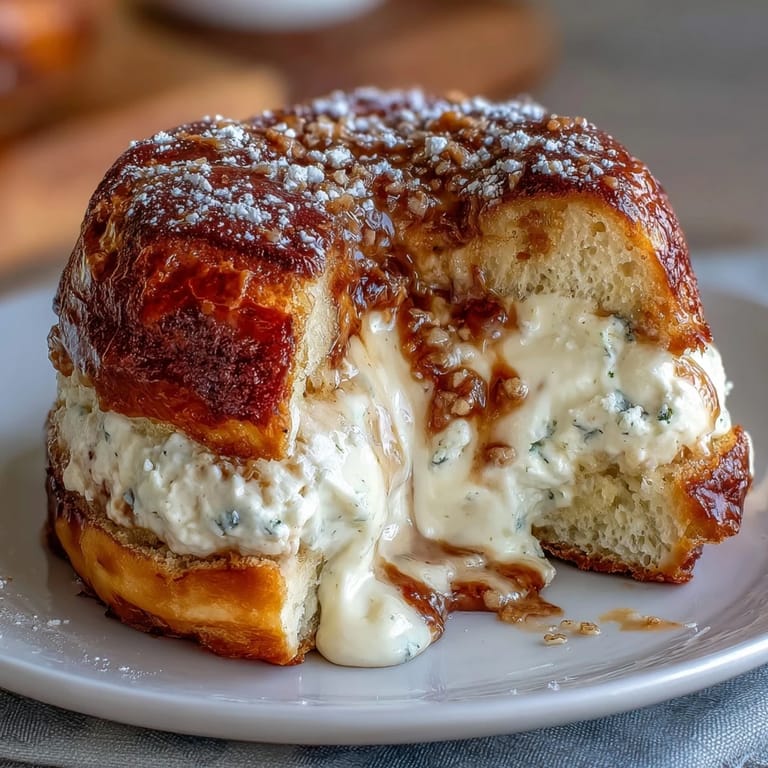
Save The first Easter I served this to my own family, my youngest asked for seconds before anyone else had even finished their first slice—and that's when I realized this wasn't just a traditional dessert anymore, it was ours. It had become the marker of spring in our house, the dish that tastes like new beginnings.
The Secret of Fresh Lemon Zest
Don't underestimate the power of microplaning that zest right before you use it. The moment you zest a lemon, the oils start to fade, and within an hour or two you've lost that bright, almost perfumy quality that makes this pie special. I learned this the hard way when I zested my lemons the morning of a dinner party and the pie tasted flat and one-dimensional. Now I zest them five minutes before I whisk the filling, and the difference is genuinely noticeable.
Why the Pastry Matters as Much as the Filling
A tender, flaky crust is what separates this from just eating sweetened ricotta on a plate. The butter needs to stay cold and the dough needs to rest—there's no rushing this part. I used to skip the second chill and my crust would shrink slightly as it baked, creating gaps between the filling and the crust that looked sloppy. Now I chill everything, and the structure holds perfectly.
Make It Your Own
This is a recipe that welcomes small changes without losing its soul. Some of my family members love a hint of orange zest alongside the lemon for a more complex citrus flavor. Others garnish it with fresh berries—raspberries or strawberries look stunning against the pale filling and add a gentle tartness that plays beautifully with the sweetness.
- If you want a nod to tradition with a gluten-free twist, swap the flour for a good quality gluten-free blend in both the crust and filling.
- A light drizzle of honey on top just before serving adds an extra layer of elegance and sweetness.
- Make it a day ahead and store it covered in the refrigerator—the flavors actually deepen overnight and it's less stressful for entertaining.
 Save
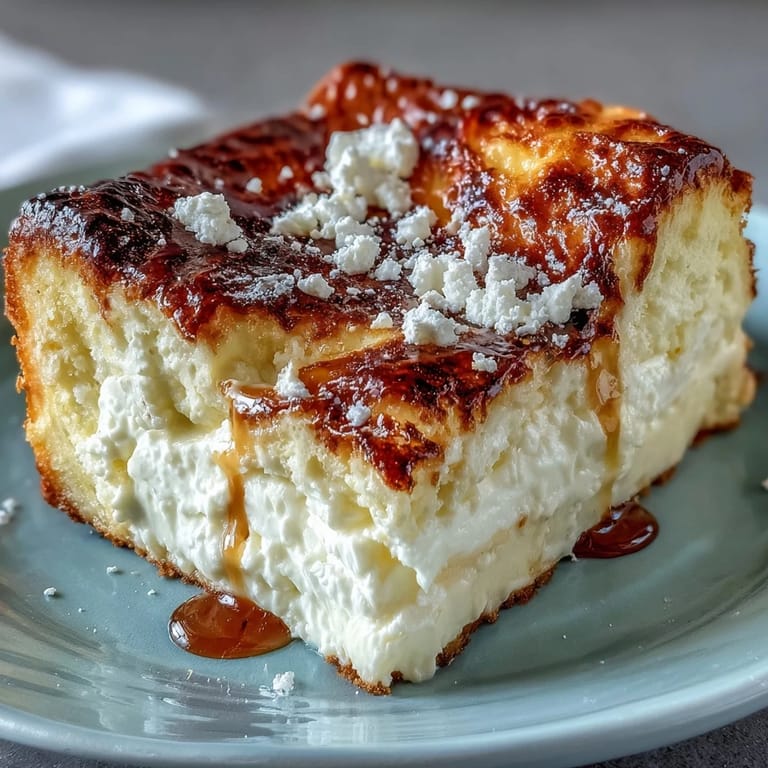
Save This Easter ricotta pie has become my answer to the question of what to bring when you want to show up for people with something made with care. It's not complicated, but it feels special—which is maybe the best thing food can be.
Cooking Questions & Answers
- → How do I achieve a smooth ricotta filling?
Whisk the ricotta with eggs, sugar, lemon zest, juice, vanilla, flour, salt, and cream until fully blended to ensure a creamy and smooth texture.
- → Can I use a different zest to enhance flavor?
Yes, adding orange zest along with lemon zest boosts the citrus aroma and adds deeper complexity to the filling.
- → What is the best way to prepare the pastry dough?
Combine cold butter with flour and sugar until coarse crumbs form, then gently add eggs, vanilla, and water until dough just comes together. Chill before rolling out.
- → How do I know when the pie is baked properly?
Bake until the filling is set and the surface is lightly golden. The center should still wobble slightly when gently shaken.
- → Can this be adapted for gluten-free diets?
Yes, you can substitute gluten-free flour for the pastry crust to accommodate gluten sensitivities.