 Save
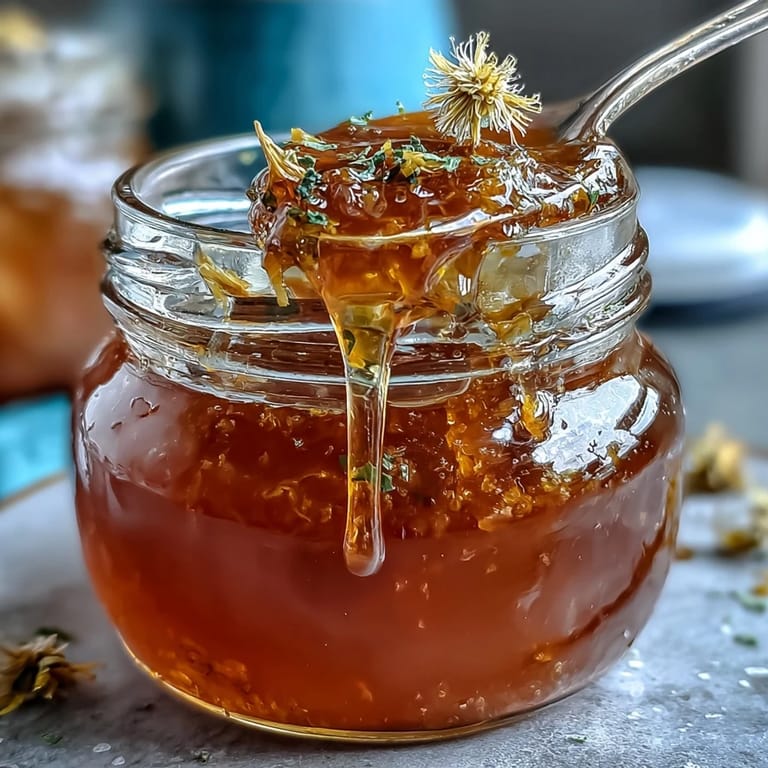
Save The first time I made dandelion jelly, the kitchen windows were flung wide open and the sound of bees drifted in on the breeze. After an impromptu walk through the garden, arms full of freshly foraged blossoms, I couldn’t help but marvel at the golden petals and their wild, earthy aroma. The act of gently plucking each yellow tuft became its own meditation—honest work perhaps, but punctuated by laughter at my sticky fingers and a few wayward petals stuck to my socks. By the time the sweet citrus mingled with honey in the pot, spring had almost painted itself into every corner of my home. Somehow, the prospect of capturing a bit of April in a jar felt impossibly hopeful.
I once shared these jars at a neighborhood brunch and watched friends quietly pause mid-bite—amazed not just by the flavor, but that something so beautiful could be scooped by the spoonful. Even skeptical kids asked for seconds. Looking back, the communal kitchen felt like an assembly line of hope, everyone pitching in to wipe jar rims and marvel at how clear and golden the finished jelly turned out. No matter how many times I’ve made it, that first batch taught me that even the humble dandelion can become a conversation piece. It was the sort of morning that lingers in your memory, scented with lemon and laughter.
Ingredients
- Fresh dandelion petals: Picked only from the yellow heads, avoiding green sepals or stems—trust me, you’ll steer clear of unwelcome bitterness this way.
- Water: This acts as the canvas for steeping the petals, and filtered water preserves the clarity of your jelly.
- Fresh lemon juice: Adding brightness and balance, I always squeeze from a real lemon to get that vibrant tang.
- Granulated sugar: Ensures the jelly reaches the proper sweetness and helps with setting—be precise for best results.
- Mild honey: Subtle floral tones from honey deepen the springtime flavor; use a light variety so it doesn’t overpower the dandelion.
- Fruit pectin: The magic that holds everything together; measure carefully and dissolve thoroughly for a smooth, clear jelly.
Tired of Takeout? 🥡
Get 10 meals you can make faster than delivery arrives. Seriously.
One email. No spam. Unsubscribe anytime.
Instructions
- Petal Preparation:
- Gather vibrant blossoms and painstakingly pull away just the yellow petals, leaving every trace of green behind to keep the jelly gentle and sweet.
- Simmer for Infusion:
- Toss petals into a large saucepan with water, then bring it to a lively boil and drop to simmer; the aroma should remind you of grassy fields.
- Steep Overnight:
- Remove from heat, cover, and let the essence draw out for at least 6 hours or overnight, infusing your kitchen with soft floral notes.
- Strain and Measure:
- Pour the fragrant liquid through cheesecloth, pressing with a spoon for every last drop, and discard the petals—adjust with water as needed to get exactly 3 cups.
- Combine for Setting:
- Scrape the golden infusion into a clean pot, stir in lemon juice and pectin, and bring up the heat while stirring briskly.
- Add Sugar and Honey:
- Pour in sugar and honey, stirring constantly as the mixture swells and grows glossy before returning to a vigorous boil for 1–2 minutes.
- Check the Jelly:
- Test a spoonful on a cold plate—if it wrinkles when pushed, you’ve nailed the shimmer and set.
- Fill Jars and Seal:
- Skim off foam, ladle the jelly into sterilized jars leaving a bit of headspace, wipe rims clean and seal with lids, then process jars in boiling water for 5 minutes.
- Cool and Store:
- Let jars cool undisturbed, listen for those satisfying pops, and stash in a cool, dark cupboard—each jar ready for bright mornings.
 Save
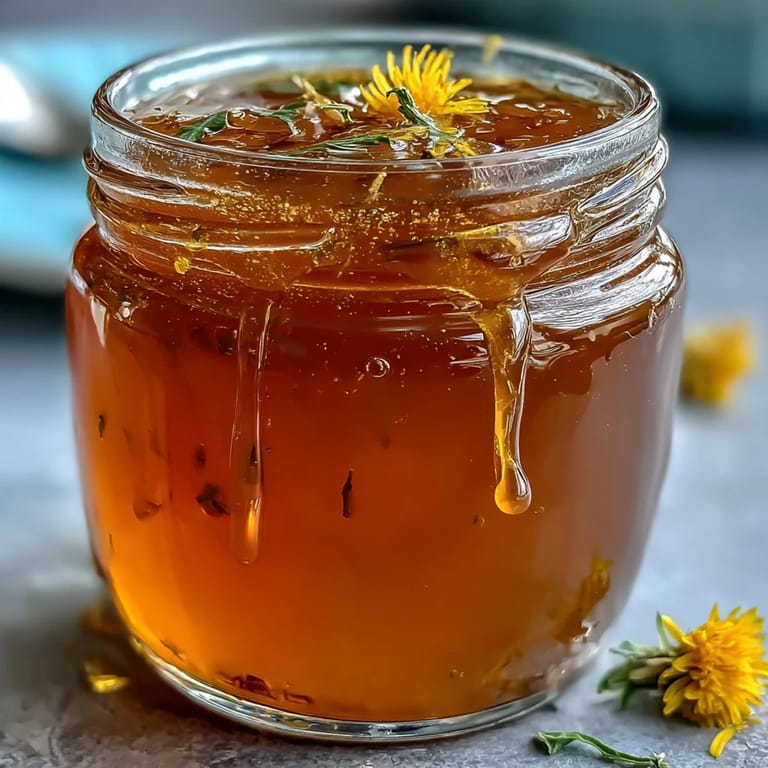
Save On a rainy afternoon, I handed a jar to my grandmother, who eyed it suspiciously before smearing some over warm toast. The smile that crept across her face was all I needed to know I’d made something truly special; suddenly the simple act of foraging dandelions became a way of showing love. Moments like this remind me that recipes can transform everyday ingredients into lasting memories.
Finding the Best Blossoms
Early morning harvests yield the plumpest, most aromatic dandelions. When the dew is still fresh and petals haven’t yet folded, you’ll find picking a breeze, and your jelly will glow with pure golden color. Avoid roadsides or places you can’t confirm are pesticide-free—better safe than sorry. If you run out of patience, enlist helpers; it’s a task that goes faster with conversation and coffee nearby.
Making the Jelly Set Just Right
Getting the perfect set is a little dance, but don’t panic if your first try seems runny; jelly can firm up as it cools. The cold plate test is a lifesaver—keep a couple plates in the freezer so you can check as you go. If you’re still unsure, add an extra half packet of pectin, but only after retrying the test. Stir constantly, and watch for that magical moment when the mixture thickens into a gentle wobble.
What to Pair With Dandelion Jelly
This jelly sings on buttered toast, but also lifts Greek yogurt or soft goat cheese to another level. I even drizzle it over grilled peaches in summer for an easy floral dessert. Whenever you feel adventurous, use it as a glaze for roast chicken, and guests will beg for the recipe. Pair with light teas or chilled sparkling water for a bright spring snack.
- Always double check that jars are sealed before storing.
- Add a teaspoon of vanilla for extra complexity if you like.
- Label each jar with the date—they disappear fast and it helps you keep track!
 Save
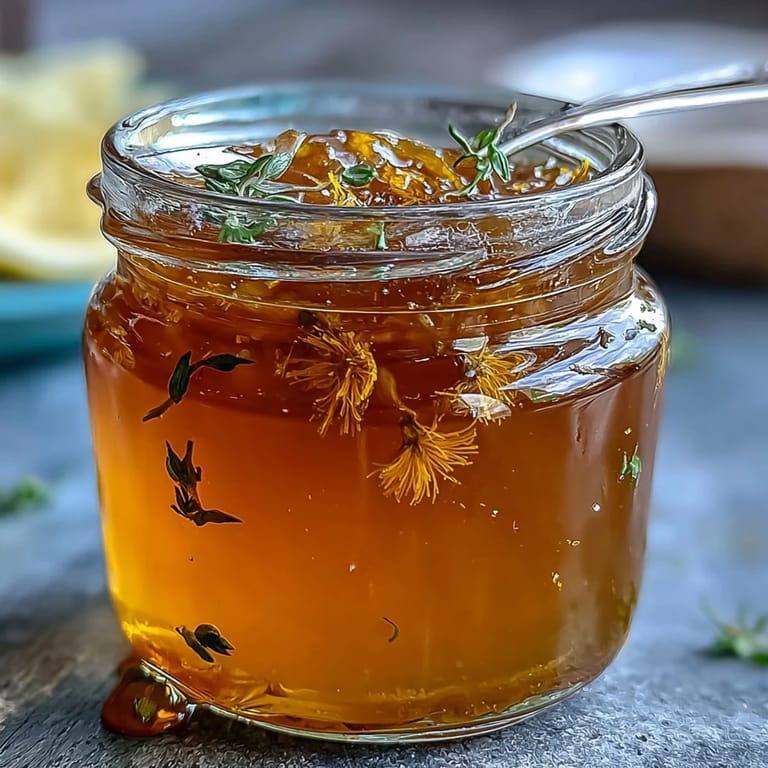
Save Every batch feels new, and it’s always bright enough to cheer up breakfast. Try it once, and you’ll find excuses to gather dandelions with friends again and again.
Cooking Questions & Answers
- → How do you prepare dandelion petals?
Remove all green sepals and stems, keeping only the yellow petals to avoid bitterness. Use fresh, untreated blossoms.
- → Can you use other sweeteners instead of honey?
Yes, agave syrup or additional sugar can be substituted for honey for a vegan variation.
- → How do you check if the jelly is set?
Place a spoonful of hot jelly on a cold plate; if it wrinkles when pushed, it's ready to jar.
- → What is the ideal way to serve this jelly?
Spread it on toast, drizzle over yogurt, or pair with soft cheeses. It also works as a glaze for roasted dishes.
- → Is this jelly suitable for people with allergies?
Aside from honey (not for infants), it is free from common allergens. Always check labels for certainty.
- → How long does the jelly last after canning?
Properly sealed, it can be stored in a cool, dark place for up to one year.