 Save
Save I'll never forget the first time I walked into a high-end wine bar and saw a cheese board that stopped me mid-conversation. It was this ethereal, monochromatic masterpiece—all grays and blacks and deep charcoal tones—arranged on a dark stone surface like a work of art. The ash-rinded cheeses gleamed softly, the pumpernickel bread caught the light like slate, and I remember thinking, "This is it. This is what I want to create at home." That moment changed how I think about entertaining. A cheese board doesn't just have to taste good—it can tell a visual story.
I made this board for the first time when my sister came to visit from out of town, and I wanted to do something special without the stress of cooking a full meal. We sat by the window with a bottle of smoky pinot noir, and as we moved from one cheese to another, the conversation just flowed. What started as a quick appetizer turned into a three-hour evening. That's when I realized the real magic of a cheese board—it's not about perfection, it's about creating space for connection.
Ingredients
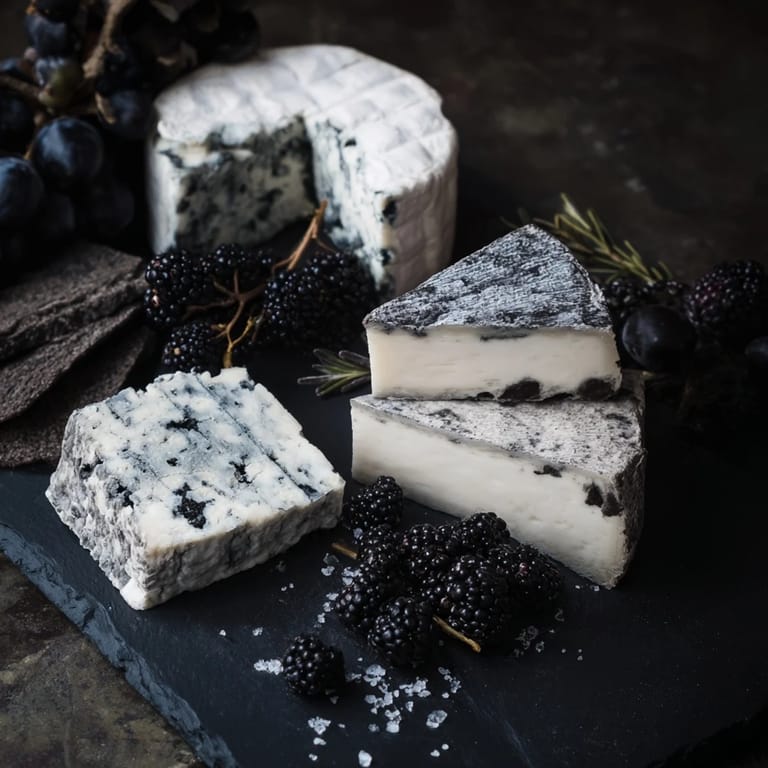
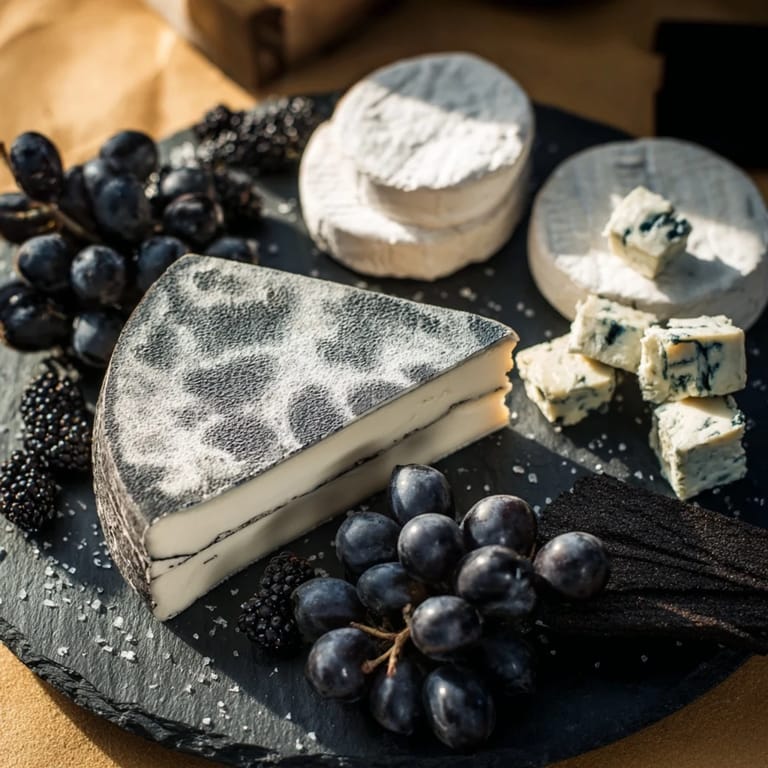
- Morbier or ash-rinded semi-soft cheese (150g): This is the star of the show. That dramatic black ash line running through the middle isn't just pretty—it creates a subtle, earthy complexity that deepens the whole board's visual story
- Humboldt Fog or ash-ripened goat cheese (120g): Creamy, tangy, and beautiful. The pale ash exterior against the white interior creates those gorgeous tonal variations that make this board special. If you can't find this exact cheese, any ash-ripened goat cheese with visual drama will work
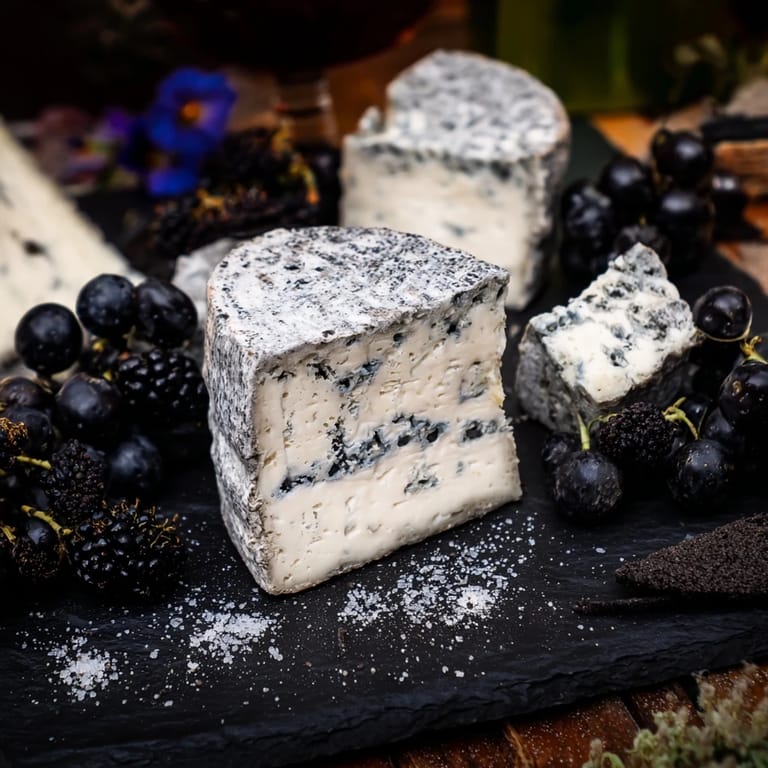
- Valdeon or blue cheese with gray veining (100g): The sulfurous, mineral notes ground the whole experience. The natural veining gives you those moody gray tones without any extra effort
- Slate-colored charcoal crackers (8-10 pieces): These are non-negotiable for the monochrome vision. The dark color is naturally from activated charcoal or black sesame, and they taste intentional, not accidental
- Dark rye or pumpernickel bread (6-8 slices): Dense, slightly sweet, and dramatically dark. Pumpernickel is ideal because it's practically black and has enough personality to stand alongside the cheeses
- Black grapes or dark plums: The juicy sweetness here is essential—it balances the earthiness of the cheeses and prevents the board from feeling too heavy
- Blackberries or blueberries: These add pops of deep color and moisture. I love how they nestle into gaps and make the board feel abundant without looking cluttered
- Black olive tapenade (2 tbsp): A moment of briny intensity. Spoon it into a small dark bowl so it feels intentional, not like an afterthought
- Edible charcoal salt: The finishing touch that ties everything together visually. It adds a subtle mineral flavor that most people can't quite name but absolutely feel
- Fresh rosemary or thyme (optional): If you use herbs at all, keep them subtle. They should peek through like a secret, adding contrast but not competing with the monochromatic theme
Tired of Takeout? 🥡
Get 10 meals you can make faster than delivery arrives. Seriously.
One email. No spam. Unsubscribe anytime.
Instructions
- Choose Your Canvas:
- Find a large, dark stone or slate board. This is your foundation. Wipe it clean, and if it's been sitting out, give it a moment to come to room temperature. A cold board will affect how the cheeses taste when your guests first taste them
- Slice with Intention:
- Take your time here. For the Morbier, slice it into thin wedges so that ash line is visible. For the Humboldt Fog, cut it into triangles—this shows off that beautiful contrast between the outer ash and creamy interior. For the blue cheese, slice thick wedges so people can actually taste the complexity rather than just scraping it onto a cracker
- Create Zones of Calm:
- Instead of scattering everything randomly, imagine you're dividing the board into three or four distinct sections. This creates visual rhythm and makes it easier for guests to navigate. Leave breathing room between cheeses—the negative space is part of the design
- Build Your Cracker & Bread Sections:
- Fan the charcoal crackers in small groups, almost like you're dealing cards. Stack the pumpernickel slices slightly overlapping, like they're a single architectural element. Position these around the cheeses, but not directly touching—everything should feel deliberate, not crowded
- Add the Jewels:
- Scatter the black grapes and blueberries into the gaps. This is where the board comes alive. Watch how they settle into the negative space and create depth. The plums go next—slice them just before serving so they don't oxidize and lose that deep purple
- Honor the Tapenade:
- Spoon it into a small dark bowl if you have one. If not, create a small nest directly on the board. The tapenade should feel like a destination, not an accident
- The Final Sprinkle:
- Just before serving, give the cheeses a delicate pinch of edible charcoal salt. This adds flavor and ties the whole visual story together. Don't be heavy-handed—it should look like a whisper, not a snowstorm
- A Gentle Green Note (If You Wish):
- If using herbs, tuck two or three small sprigs among the cheeses. They should surprise people, not announce themselves. Think of them as a secret that reveals itself only if you're really paying attention
- Serve with Grace:
- Bring out small cheese knives, small plates, and napkins. The board is ready the moment you finish it. Don't let it sit too long—the cheeses taste best when they're still at their perfect temperature
 Save
Save My favorite memory with this board happened on a quiet afternoon when I made it just for myself. I sat with one small plate, a glass of wine, and no distractions, and I really tasted everything. I noticed how the ash-rinded cheese had this mineral, almost smoky edge. I tasted how the blue cheese's sharpness melted against the creamy goat cheese. I understood why I loved this board so much—it wasn't about impressing anyone. It was about the conversation between all these beautiful, complex flavors.
The Story Behind Monochromatic Entertaining
There's something deeply calming about a monochromatic color palette, especially when you're hosting. It says, "I'm confident enough not to shout." It whispers instead of yells. When everything is a variation of black, gray, and charcoal, the food becomes the focal point, not a rainbow of competing colors. The cheeses shine because the backdrop is quiet. This board taught me that sophistication often means knowing what to leave out, not what to pile on.
Wine Pairing as Part of the Experience
Serve this board with a smoky Pinot Noir or a full-bodied Malbec. The earthiness of these wines mirrors the ash-rinded cheeses perfectly. I've also had stunning results with a natural wine that has that funky, mineral quality that makes you question what you're tasting in the best way. The wine doesn't just accompany the board—it becomes part of the conversation, another layer of flavor and discovery.
Making It Your Own
The beauty of this board is that it's more about a philosophy than a prescription. If you can't find Humboldt Fog, look for any ash-ripened cheese with visual presence. No charcoal crackers? Black sesame crackers or even dark everything bagel seasoning sprinkled on simple dark crackers will keep the aesthetic. The point is to commit to the palette and let quality ingredients speak for themselves. Your local cheesemonger or specialty store can help you find alternatives that honor the monochromatic vision.
- Ask your cheesemonger for their favorite ash-rinded cheese—they'll guide you toward something beautiful and delicious
- Prep all your cutting and slicing 30 minutes before guests arrive, then assemble the actual board just 10 minutes before serving
- Keep the edible charcoal salt in a small spoon or pinch bowl so it looks intentional when you add it
 Save
Save This board has become my go-to whenever I want to feel thoughtful without being stressed. It's proof that elegance doesn't require complexity—just intention and ingredients you believe in.
Cooking Questions & Answers
- → What cheeses work best for a monochrome gray board?
Ash-rinded semi-soft cheeses like Morbier, ash-ripened goat cheeses such as Humboldt Fog, and blue cheeses with gray veining like Valdeon create the desired visual and flavor combination.
- → Which types of crackers complement this cheese arrangement?
Slate-colored charcoal crackers or black sesame crackers offer both the color contrast and subtle smoky flavors to enhance the cheese selection.
- → How can I add fruit accents without disrupting the color scheme?
Use dark fruits like black grapes, sliced plums, blackberries, or blueberries to maintain the monochrome aesthetic while adding juicy sweetness.
- → What garnishes enhance the presentation and flavor?
Fresh sprigs of rosemary or thyme add a fresh herbal note and contrast beautifully with the dark tones of the board.
- → Are there alternatives to a stone or slate board for serving?
Large dark wooden boards or black serving platters can substitute while preserving the desired sophisticated appearance.