 Save
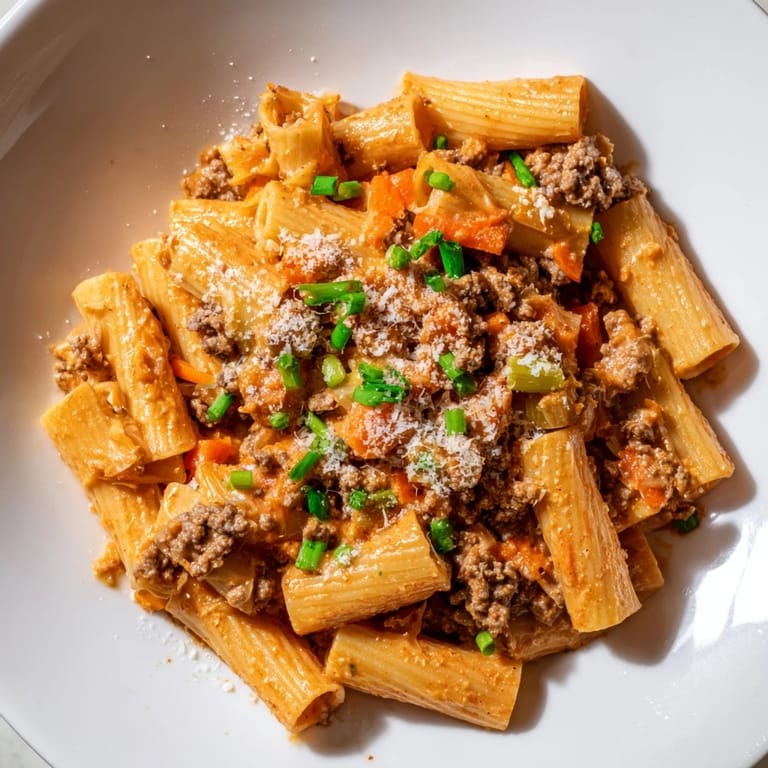
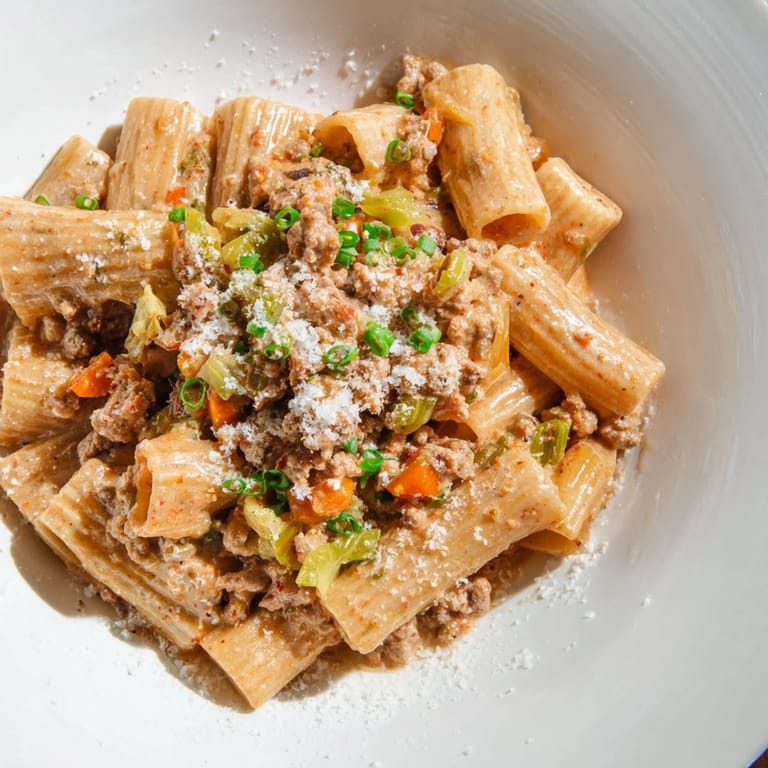
Save I discovered this dish by accident on a Tuesday night when I had leftover kimchi taking up space in my fridge and a craving for something creamy and warming. My partner was skeptical about mixing Korean heat with Italian comfort, but one bite of that first spoonful changed everything. The way the spicy, tangy kimchi played against the rich cream sauce felt like two cuisines shaking hands in the best possible way. Now it's the first thing I make when I want to feel clever in the kitchen without actually trying that hard.
I made this for friends who were convinced they didn't like fusion cooking, and watching their faces when they realized what they were eating was worth every bit of chopping. One of them actually asked for the recipe before dessert arrived, which is how you know a pasta dish has won. Since then, it's become my go-to dinner when I want to impress without seeming fussy.
Ingredients
- Ground pork: 300 grams of it becomes the meaty soul of this ragu; beef or a blend works too, but pork's slight sweetness plays nicely with the kimchi's funk.
- Napa cabbage kimchi: 200 grams chopped, plus the 2 tablespoons of juice—that juice is liquid gold, don't pour it away.
- Onion, garlic, carrot, celery: The holy trinity plus one, the base that makes everything else taste better.
- Crushed tomatoes: 400 grams of the canned kind works perfectly, no need to overthink this part.
- Heavy cream: 120 milliliters softens the heat and brings everything into harmony; coconut cream works if you're avoiding dairy.
- Soy sauce: 1 tablespoon ties the Italian and Korean elements together with salt and depth.
- Gochugaru: A teaspoon of these Korean chili flakes amps up the heat, but they're optional if you prefer less fire.
- Rigatoni or penne: 350 grams of short pasta that catches the sauce in every ridged bite.
- Olive oil, sugar, salt, pepper: The quiet helpers that balance everything.
- Scallions and Parmesan: Fresh toppings that brighten the final plate.
Tired of Takeout? 🥡
Get 10 meals you can make faster than delivery arrives. Seriously.
One email. No spam. Unsubscribe anytime.
Instructions
- Build your base:
- Heat olive oil in a large skillet over medium-high heat, then add your chopped onion, carrot, and celery. Let them soften for about 5 minutes, until the onion turns translucent and the kitchen smells like cooking is happening.
- Wake up the garlic:
- Add your minced garlic and let it toast for just 1 minute until it becomes fragrant. Don't walk away here; garlic burns fast and bitter.
- Brown the meat:
- Add your ground pork and break it up as it cooks over the next 6 to 7 minutes, stirring occasionally, until there's no pink left and everything looks nicely browned.
- Introduce the kimchi:
- Stir in your chopped kimchi and its juice, letting them sauté for 3 to 4 minutes until the kimchi softens and releases its flavor into the oil. This is when your kitchen starts smelling like something bold and unexpected.
- Build the sauce:
- Pour in your crushed tomatoes, then add soy sauce, gochugaru if using, sugar, salt, and pepper to taste. Simmer uncovered for 15 to 20 minutes, stirring now and then, until the sauce thickens and the flavors marry into something deeper.
- Cook your pasta:
- While the ragu simmers, get a pot of salted water boiling and cook your pasta until it's al dente. Scoop out and reserve about 100 milliliters of the starchy pasta water before you drain everything.
- Bring it together:
- Lower the ragu heat to low, then stir in your heavy cream and half the reserved pasta water. Mix until everything is creamy and silky, then taste and adjust salt and pepper as needed.
- Finish and serve:
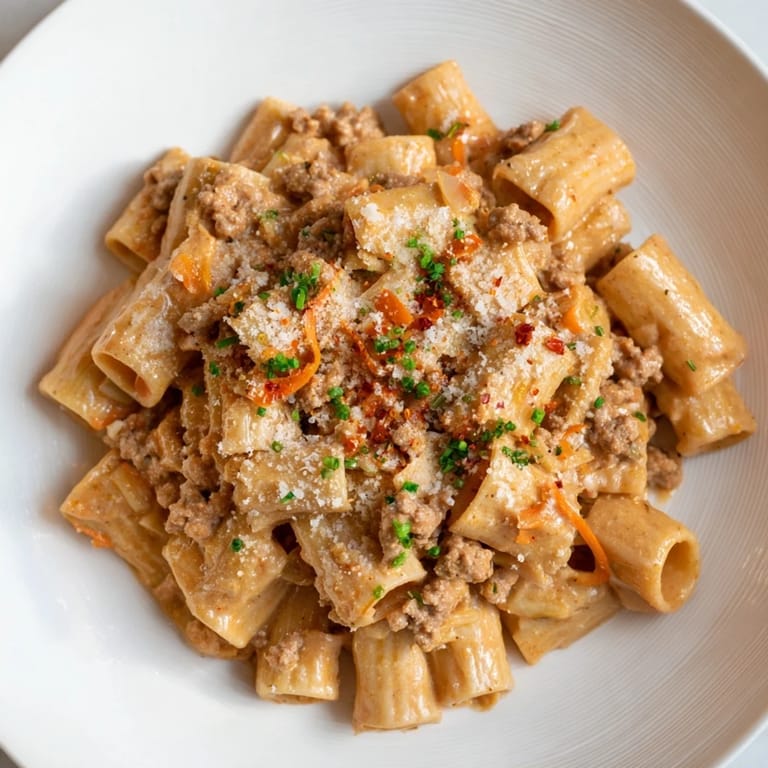
- Toss your cooked pasta directly into the ragu, adding more pasta water if the sauce needs thinning. Plate it up while it's hot, scatter scallions and Parmesan on top if you like, and serve immediately.
 Save
Save The first time someone asked me what was in this and I told them, I watched their expression shift from curiosity to skepticism to genuine delight in the span of one bite. That moment—when fusion actually works and feels natural instead of contrived—is why I keep coming back to this dish.
The Kimchi Question
Not all kimchi tastes the same, and that matters here. I've learned this through trial and error and a few disappointing batches. Some brands are vinegary and sharp, others are spicy and funky, and a few are sweet and mild. The best results come from using kimchi that's been sitting in your fridge for a few days—that aged funk rounds out the tomato and plays beautifully with the cream. If your kimchi is brand new and aggressively spicy, you might want to use a little less, or let it cook a few minutes longer to mellow.
Dairy-Free and Vegetarian Swaps
Making this without dairy or meat changes the dish but doesn't break it. For the cream, coconut milk works beautifully and brings a subtle sweetness that rounds out the heat and funk. For the meat, use plant-based ground meat that's hearty enough to hold its shape, or go full vegetarian and add mushrooms, lentils, or chickpeas for texture and substance. The beauty of this dish is that it's flexible enough to bend to your needs without losing its soul.
Timing and Temperature Control
This dish is forgiving as long as you remember two things: medium-high heat for browning, low heat for simmering. Rushing the browning means you miss out on that deep, savory crust on the meat. Letting the ragu simmer too aggressively can make the cream break or the sauce become too reduced. Medium-low is your friend here, and patience is rewarded with complexity.
- If the sauce seems too thick before serving, pasta water is always your answer.
- Leftover ragu keeps beautifully in the fridge for three days and reheats gently over low heat with a splash of water.
- This dish also freezes well before adding the cream, so you can build ahead.
 Save
Save This is the kind of dish that proves you don't need fancy techniques or intimidating ingredients to make something people remember. It's simple enough to make on a weeknight, interesting enough to serve when you want to show off a little, and honest enough that it tastes like real cooking.
Cooking Questions & Answers
- → Can I make this dish vegetarian?
Yes, substitute ground meat with plant-based alternatives and omit or replace Parmesan with a vegan cheese.
- → What pasta types work best?
Rigatoni or penne are ideal, as their shapes hold the creamy ragu sauce well.
- → How spicy is the dish?
Spice can be adjusted by varying the amount of gochugaru and kimchi; omit chili flakes for milder flavor.
- → Can I make the dish dairy-free?
Use plant-based cream alternatives and skip Parmesan or use vegan cheese to keep it dairy-free.
- → Any wine pairing suggestions?
A chilled Lambrusco or fruity Riesling complements the spicy and savory notes well.
- → How to achieve the creamy texture?
Stir in heavy cream and reserved pasta water into the ragu, creating a silky, rich sauce.