 Save
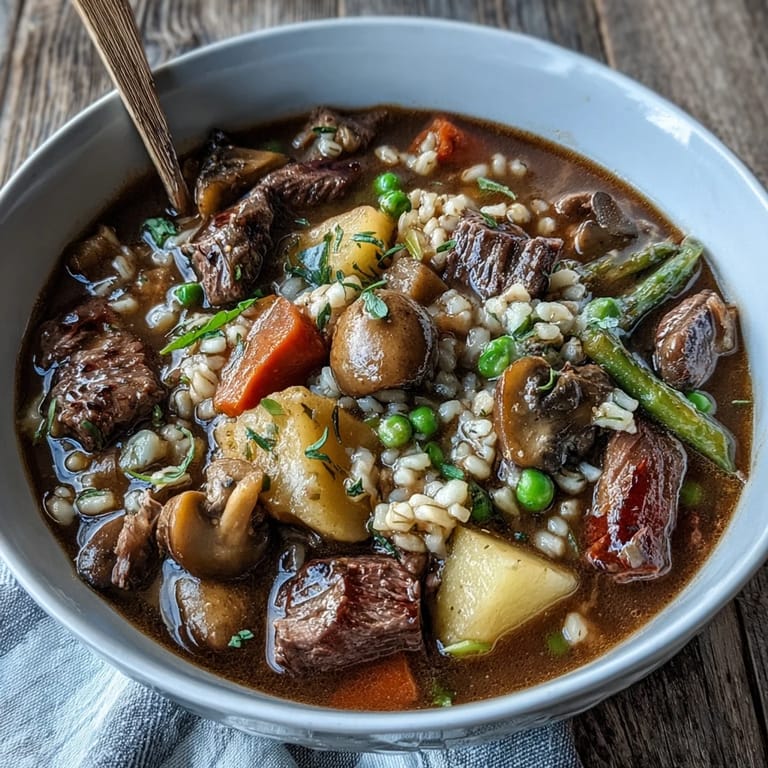
Save There's something about the smell of beef browning in a pot that makes a kitchen feel like home, even if it's the middle of a freezing Tuesday. My neighbor stopped by one winter afternoon looking half-frozen, and I had this soup simmering away—the kind that fills your whole apartment with warmth before anyone takes a single spoonful. She sat at my counter, thawed out with a bowl, and we spent two hours talking about nothing important while the barley softened into something almost creamy. That's when I realized this soup wasn't just dinner; it was an invitation to slow down.
I made this for my sister when she was going through a rough patch, and she called me three days later asking for the recipe because she'd already eaten through the pot and made another batch herself. That's when I knew it was the kind of soup that becomes part of your cooking rotation—not because it's fancy, but because it works every single time and tastes like someone actually cares about feeding you.
Ingredients
- Beef stew meat (1 lb, cut into 1-inch cubes): Don't skip the browning step—that crust is where the flavor lives, and it makes the whole broth taste more intentional and deep.
- Pearl barley (3/4 cup, rinsed): Rinsing removes some starch and keeps the broth from getting cloudy, though honestly, a little cloudiness never bothered me.
- Carrots (2 medium, peeled and diced): They sweeten as they cook, balancing the savory beef and adding natural texture that doesn't get mushy.
- Celery (2 stalks, diced): This is your secret flavor builder—it's subtle but essential, giving the broth backbone without announcing itself.
- Onion (1 large, chopped): The first vegetable in the pot sets the tone, so don't rush this part.
- Garlic (2 cloves, minced): Add it after the vegetables soften so it perfumes the pot without burning and turning bitter.
- Potatoes (1 cup, peeled and diced): They break down slightly and thicken the broth naturally, so you don't need cream or flour.
- Mushrooms (1 cup, sliced): They add umami and an earthy note that makes the whole soup taste more complex than its ingredient list suggests.
- Frozen peas (1 cup): Add these at the very end to keep them bright green and tender, not gray and sad.
- Diced tomatoes (1 can, 14 oz, optional): I include them because they add acidity that cuts through the richness, but skip them if you prefer a cleaner beef flavor.
- Beef broth (8 cups): Use good broth—this is not the place to skimp, as it's the foundation of everything that follows.
- Bay leaves (2): They're there to remind you this is a proper soup, not just beef and vegetables in water.
- Dried thyme (1 tsp): Herbal and warm, it signals comfort from the first spoonful.
- Dried parsley (1 tsp): A gentle finish that adds brightness without overpowering.
- Salt and black pepper: Taste as you go—you might need less salt if your broth is already seasoned.
- Olive oil (2 tbsp): Just enough to get a good sear on the beef without making the broth greasy.
Tired of Takeout? 🥡
Get 10 meals you can make faster than delivery arrives. Seriously.
One email. No spam. Unsubscribe anytime.
Instructions
- Brown the beef:
- Heat oil in a large pot over medium-high heat until it shimmers slightly, then add beef cubes in a single layer. Let them sit for a minute or two before stirring—this is how you get that golden crust that makes the whole soup taste richer. About 5 minutes total, turning occasionally until most sides are browned.
- Build the vegetable base:
- Remove the beef and add onions, carrots, celery, and mushrooms to the same pot. The fond on the bottom is pure flavor, so stir everything around for about 5 minutes until the vegetables start to soften and the kitchen smells incredible.
- Bloom the garlic:
- Add minced garlic and cook for just 1 minute, stirring constantly so it releases its flavor without burning and turning acrid.
- Combine everything:
- Return the beef to the pot along with potatoes, barley, tomatoes if using, beef broth, bay leaves, thyme, and parsley. Give it a good stir to make sure nothing's stuck to the bottom.
- Simmer low and slow:
- Bring to a boil, then drop the heat to low, cover partially, and let it bubble gently for about 1 hour. Stir occasionally to make sure the barley cooks evenly and nothing sticks.
- Finish with peas:
- After an hour, add the frozen peas, taste for seasoning, and add salt and pepper to your preference. Simmer uncovered for another 20 to 30 minutes until the barley is tender and the beef falls apart easily with a spoon.
- Serve:
- Fish out the bay leaves, ladle into bowls, and serve hot with crusty bread alongside.
 Save
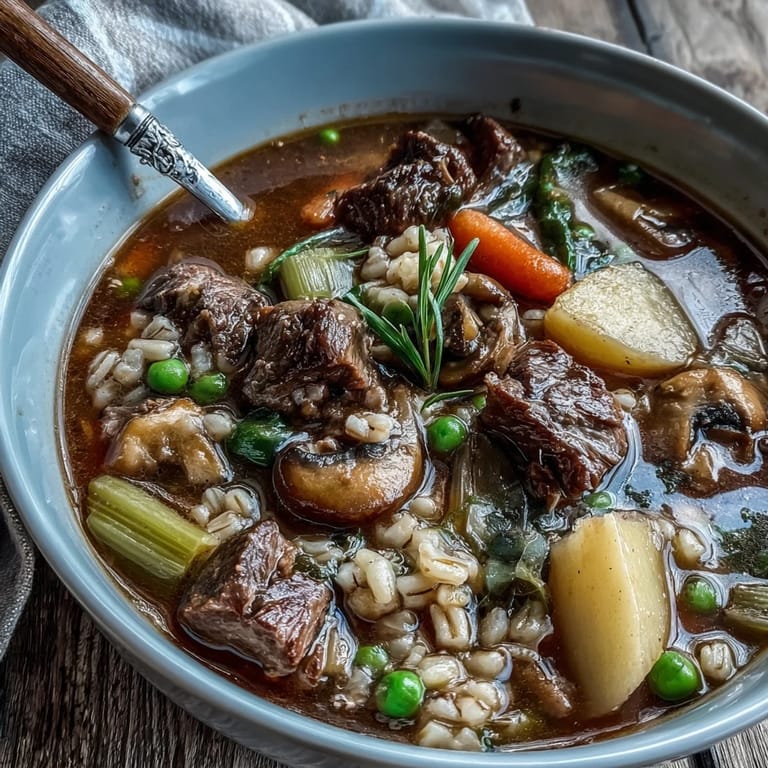
Save One night my roommate came home from a terrible day at work, didn't say a word, and just stood over the pot breathing in the steam for what felt like forever. By the time I ladled her a bowl, she looked like she might actually be okay. Soup can't fix everything, but it can buy you a moment to breathe and remember that someone made it with you in mind.
The Art of the Sear
Browning the beef is where the magic happens, and it's worth taking your time. When the meat hits hot oil, the surface proteins brown through a process called the Maillard reaction—basically, it's chemistry making your soup taste incredible. I used to move the pieces around constantly, worried they'd stick, but they won't if your pot is hot enough and you leave them alone for a minute or two. The darker the crust, the richer and more complex your finished broth will be.
Why Barley Makes the Difference
Pearl barley is the secret ingredient that separates this from a plain beef and vegetable soup. It's mild and slightly nutty, and as it cooks, it releases starch that thickens the broth naturally and adds a subtle creamy texture. Unlike rice or pasta, barley stands up to long cooking without falling apart, and it actually tastes better the longer it simmers. Some people skip it to make the soup lower-carb, but then you lose what makes this recipe feel like a hug in a bowl.
Storage, Variations, and Second Chances
This soup is a gift that keeps giving because it tastes even better the next day—the flavors meld and deepen overnight, so don't hesitate to make it ahead. You can swap in parsnips or turnips for some of the carrots, use ground beef if you're in a hurry, or add a splash of red wine if you want to get fancy. Leftover soup freezes beautifully for up to three months, though I rarely have leftovers stick around that long because I keep coming back for more.
- Add a splash of good red wine after you brown the beef for depth that tastes like you've been cooking all day.
- If your broth tastes a bit flat halfway through, a pinch more thyme or a squeeze of lemon juice at the end wakes everything up.
- Serve with thick crusty bread—it's not optional, it's infrastructure.
 Save
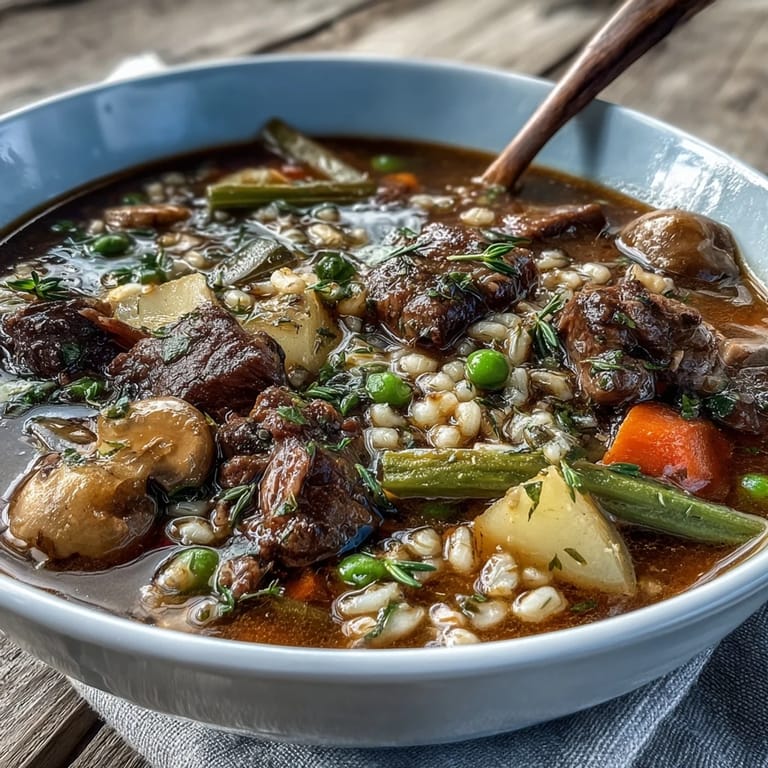
Save This is the kind of soup that reminds you why cooking at home matters—not because it's complicated, but because it's honest and generous and fills more than just your stomach. Make a big pot, invite someone over, and watch what happens.
Cooking Questions & Answers
- → How long does the beef need to cook until tender?
The beef stew meat simmers for approximately 1 hour and 20-30 minutes total. This slow cooking breaks down the connective tissue, resulting in fork-tender pieces that practically melt in your mouth.
- → Do I need to soak the barley before cooking?
No soaking required for pearl barley. Simply rinse it under cold water before adding it to the pot. The barley will soften and thicken the soup naturally as it simmers in the beef broth.
- → Can I make this soup in a slow cooker?
Absolutely. Brown the beef first on the stovetop, then transfer everything to your slow cooker. Cook on low for 6-8 hours or high for 3-4 hours. Add the frozen peas during the last 30 minutes of cooking time.
- → What cut of beef works best?
Chuck roast or stew meat cut into 1-inch cubes are ideal choices. These cuts have enough marbling and connective tissue to become tender and flavorful during the long simmering process.
- → How does the soup thicken?
The pearl barley releases starch as it cooks, naturally thickening the broth. If you prefer an even thicker consistency, you can mash some of the cooked potatoes against the side of the pot or let it simmer uncovered longer.
- → Can I freeze this soup?
This soup freezes beautifully for up to 3 months. Cool it completely before transferring to freezer-safe containers. The barley may absorb more liquid upon thawing, so simply add a splash of broth or water when reheating.