 Save
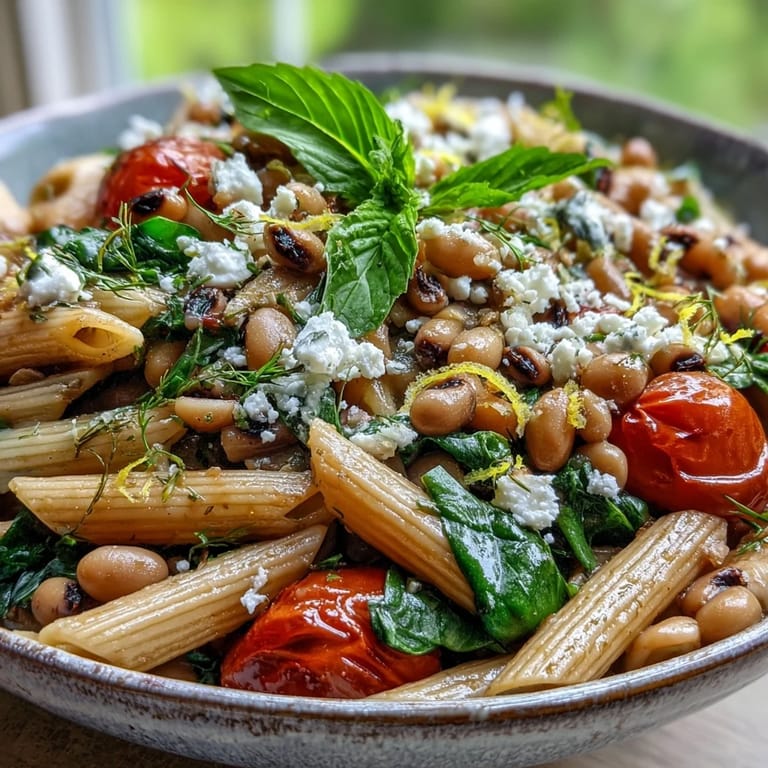
Save My neighbor Maria stopped by one evening with a bag of fresh basil from her garden, and I realized I had black-eyed peas in the pantry that had been waiting for the right moment. That night, I tossed together this pasta almost by accident, letting the garlic perfume the olive oil while the peas warmed through, and something clicked. The simplicity of it felt generous somehow, like a dish that knew exactly what it wanted to be without apology.
I made this for a potluck once, nervous it wouldn't stand out among the more elaborate dishes, but it disappeared first. Someone asked for the recipe on a napkin while still chewing, and I remember laughing because I hadn't even written it down yet, just throwing things together in the moment.
Ingredients
- Short pasta (penne, fusilli, or farfalle): 300 g—the shape matters because it catches the olive oil and beans in every bite, creating little pockets of flavor.
- Black-eyed peas: 1 can (400 g), drained and rinsed, or 250 g cooked—they're creamy when warm and absorb the garlic oil beautifully.
- Extra-virgin olive oil: 3 tablespoons—this is your base, so choose one you'd actually taste on its own.
- Garlic cloves: 3, finely sliced—slicing instead of mincing lets you taste distinct garlic moments, which is better here than garlic paste everywhere.
- Red onion: 1 small, thinly sliced—adds sweetness and a gentle bite that balances the earthiness of the peas.
- Fresh oregano or dried: 1 tablespoon fresh or 1 teaspoon dried—oregano is the quiet backbone of Mediterranean cooking, and it belongs here.
- Fresh parsley and basil: 2 tablespoons each, chopped—add these at the end so their freshness doesn't fade into the heat.
- Cherry tomatoes: 1 cup, halved—their sweetness and slight acidity brighten the whole dish.
- Baby spinach: 1 cup—wilts down to almost nothing but adds nutrients and a silky texture.
- Sea salt and black pepper: ½ teaspoon salt plus more to taste, ¼ teaspoon pepper—season boldly; you'll adjust once everything comes together.
- Red pepper flakes: 1 pinch—optional but recommended for a subtle warmth that lingers.
- Lemon zest and juice: From ½ lemon—the final magic, cutting through richness and waking up every other flavor.
- Crumbled feta cheese: 50 g—optional but it adds a salty, creamy counterpoint that makes this feel special.
Tired of Takeout? 🥡
Get 10 meals you can make faster than delivery arrives. Seriously.
One email. No spam. Unsubscribe anytime.
Instructions
- Set the pasta to boil:
- Fill a large pot with salted water (it should taste like the sea) and bring it to a rolling boil before adding pasta. This is where the flavor foundation begins, so don't skip the salt or rush it.
- Build the base while water heats:
- Heat olive oil in a large skillet over medium heat and watch it shimmer before adding garlic and red onion. You'll know it's ready when the garlic smells golden and toasted, about 2 to 3 minutes, and the onion turns translucent at the edges.
- Welcome the tomatoes:
- Add cherry tomatoes and let them soften gently, stirring occasionally until their skins just begin to split and release their juices. This takes about 3 to 4 minutes and fills your kitchen with that smell that says Mediterranean cooking is happening.
- Bring in the beans:
- Stir in the black-eyed peas along with oregano, salt, pepper, and red pepper flakes if you're using them. Let everything warm through and mingle for about 2 minutes, tasting as you go to adjust seasonings.
- Unite everything in the pan:
- Drain your pasta, reserving a small cup of the starchy cooking water, then add both to the skillet along with a splash of that reserved water. The starch helps create a light sauce that coats everything, so don't skip this step.
- Finish with fresh green things:
- Add spinach and watch it wilt in seconds, then remove from heat and stir in lemon zest, juice, parsley, and basil. Taste and adjust salt and pepper one final time, because this is your last chance to balance everything perfectly.
- Serve with intention:
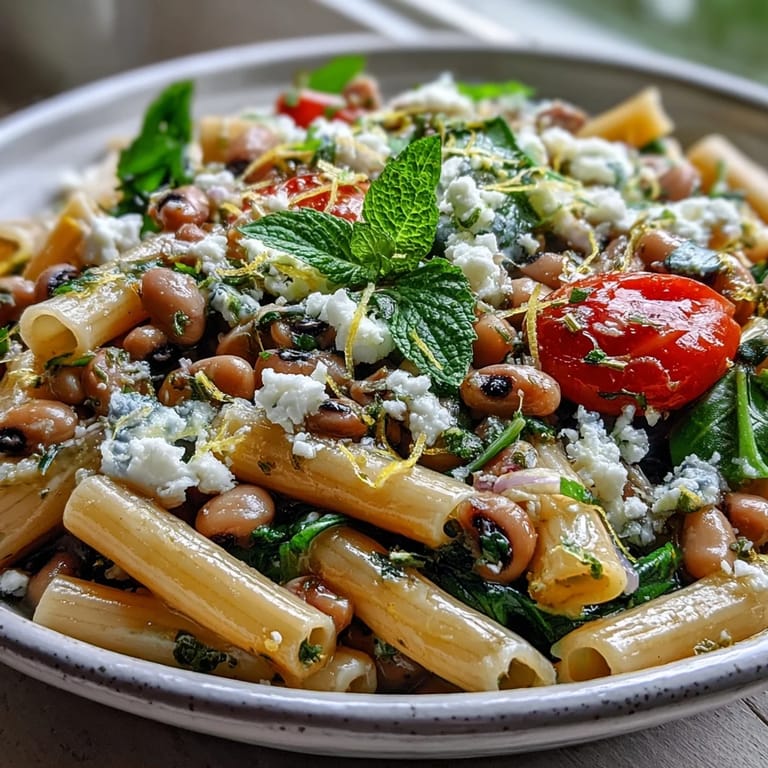
- Divide among bowls while everything is still warm and finish with crumbled feta if you have it on hand. The feta melts slightly into warm pasta and creates little pockets of salty creaminess.
 Save
Save There's a moment when you stir in the spinach and it wilts instantly, and that's when you know the pasta is still hot enough to carry everything forward. It's also when you realize this dish is more than sustenance—it's a reminder that good food doesn't need to be complicated to feel nourishing.
Why Black-Eyed Peas Belong in Pasta
I used to think of black-eyed peas as strictly Southern or soul food territory, until I realized Mediterranean cooking has been quietly celebrating legumes for centuries. They're creamy without heaviness, absorb flavors like tiny flavor sponges, and bring a subtle earthiness that makes you feel like you're eating something real. Once you've tasted them warm and glistening with olive oil, you'll understand why I reach for canned beans more often than I used to.
The Lemon Moment
Everything changes when the lemon juice hits the warm pasta—suddenly all the flavors snap into focus, and what might have felt a little heavy suddenly feels bright and alive. I learned this by accident when I forgot to add lemon until the very end, thinking it didn't matter, and it absolutely did. Now I always taste before the lemon and taste again after, just to remind myself how much one small citrus fruit can shift a whole dish.
Making It Your Own
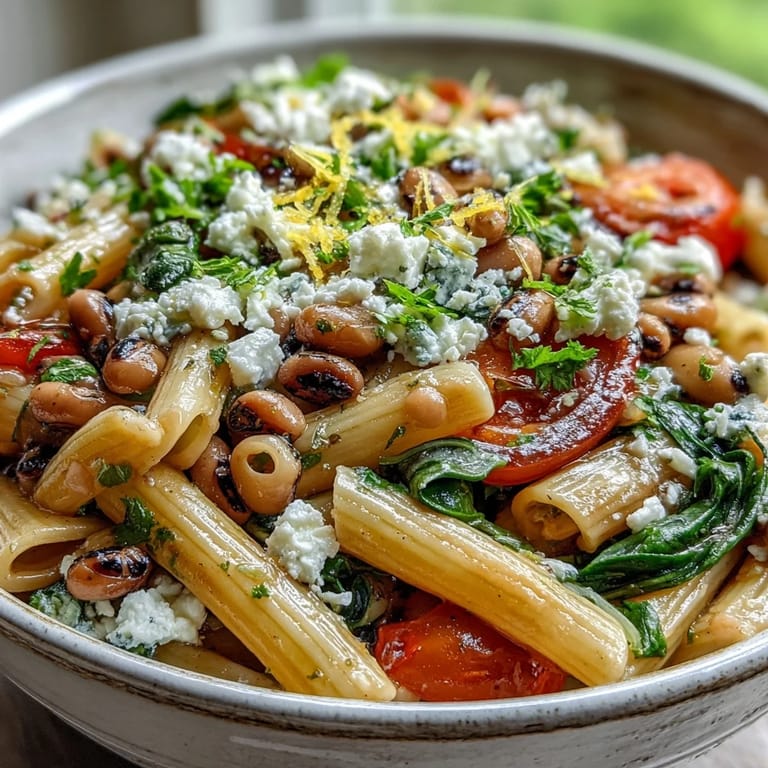
This pasta is a blueprint more than a strict recipe, which is what makes it so useful when you're cooking from what you have on hand. I've made it with whatever greens were in my fridge, swapped herbs based on the season, and even thrown in leftover roasted vegetables without losing the spirit of the dish. The core stays the same—good olive oil, garlic, black-eyed peas, fresh herbs, and lemon—and everything else is negotiable.
- If you have cherry tomatoes going soft, roast them first for deeper flavor, but raw works beautifully too.
- Add grilled chicken, shrimp, or roasted chickpeas if you want more protein density or need to stretch it for extra people.
- Swap fresh herbs freely—mint, dill, or thyme all work if you have them and parsley feels tired.
 Save
Save This dish taught me that sometimes the best dinners are the ones that feel effortless, where you're not thinking about technique but just cooking with what tastes right. That's when food becomes something you actually want to make again and again.
Cooking Questions & Answers
- → What type of pasta works best?
Short pasta shapes like penne, fusilli, or farfalle capture the black-eyed peas and vegetables well. Their nooks and crannies hold the olive oil-based sauce effectively.
- → Can I use dried black-eyed peas instead?
Yes, soak and cook dried black-eyed peas until tender before using. One can (400g) equals about 250g cooked peas. Allow extra time for soaking and cooking dried legumes.
- → How do I store leftovers?
Store in an airtight container in the refrigerator for up to 3 days. Reheat gently with a splash of water or olive oil, though the pasta absorbs liquid so texture may change slightly.
- → Is this suitable for meal prep?
Absolutely. The flavors develop and meld beautifully overnight. Prepare individual portions for easy lunches throughout the week, adding fresh herbs just before serving.
- → Can I add protein?
Grilled chicken, sautéed shrimp, or even crispy chickpeas work wonderfully. The Mediterranean foundation pairs well with most proteins, though black-eyed peas already provide substantial plant-based protein.
- → What wine pairs well?
A crisp Sauvignon Blanc or dry rosé complements the bright, herbaceous flavors. The acidity balances the olive oil and enhances the fresh vegetable notes.