 Save
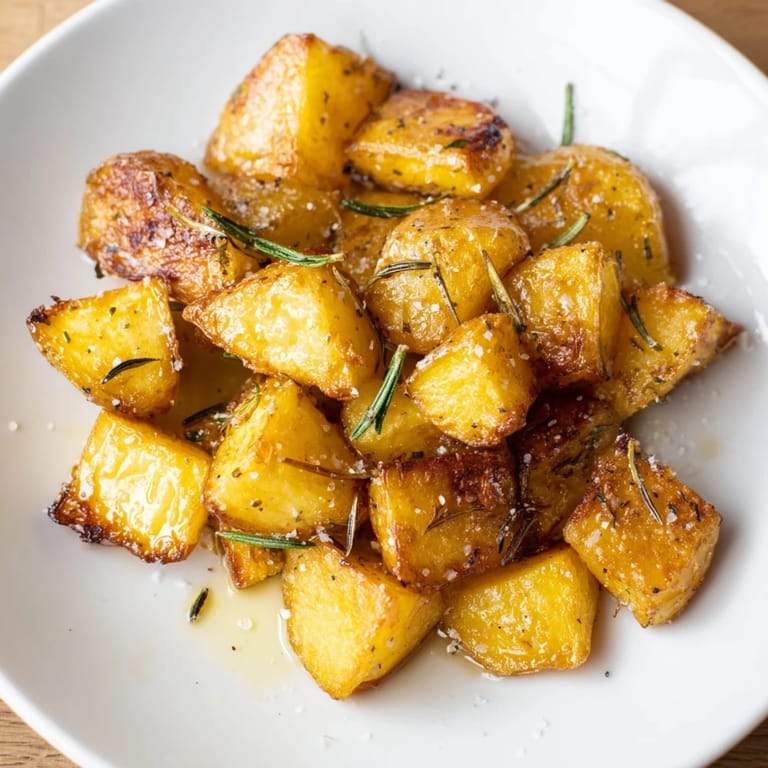
Save My grandmother kept a jar of beef tallow on the back of her stove like it was liquid gold, and honestly, after my first bite of her roasted potatoes, I understood why. There's something about that deep, savory richness that you simply can't replicate with oil or butter alone. She'd roast them in an old cast iron pan that had seen decades of Sunday dinners, and the kitchen would fill with this incredible aroma that made everyone gather around before the food even hit the table. I finally asked for her method years later, and what struck me wasn't just the tallow—it was how she treated every step like it mattered, from roughening those potato edges to letting the pan get properly hot. Now when I make them, I'm transported right back to that kitchen, and somehow they taste like memory.
I served these at a dinner party once when I was still figuring out my cooking identity, and a friend asked if I'd hired a caterer just for the potatoes. That moment—when someone's eyes light up because of something you made with your own hands—that's when I realized these weren't just a side dish, they were a statement. Since then, they've become my go-to when I want to impress without stressing, and they've worked every single time.
Ingredients
- Yukon Gold or Russet potatoes (2 pounds, cut into 2-inch chunks): Yukon Golds give you that buttery, smooth texture, while Russets go extra fluffy inside; choose based on whether you prefer tender or more substantial. I've learned that cutting them uniformly matters more than you'd think, since uneven pieces cook at different rates and you'll end up with some mushy, some undercooked.
- Beef tallow (1/3 cup): This is the star ingredient that gives everything that irreplaceable savory depth and helps achieve that shattering crust. You can find it from a butcher, render it yourself from beef fat trimmings, or grab it from specialty food shops—it's worth seeking out.
- Kosher salt (1 1/2 teaspoons, plus more to taste): The timing of salt matters; adding it early seasons the potatoes throughout, while a final pinch catches on the crispy exterior.
- Freshly ground black pepper (1/2 teaspoon): Freshly ground is non-negotiable here because pre-ground loses its bite and becomes almost musty by the time your potatoes are done roasting.
- Fresh rosemary or thyme (2 tablespoons, finely chopped, optional): These herbs infuse the tallow beautifully and add an herbaceous note that balances the richness, though they're genuinely optional if you want the pure beef tallow flavor to shine.
- Garlic cloves (2, smashed, optional): Smashing releases the garlic's oils into the fat without burning, lending a whisper of savory depth that disappears into the background but somehow makes everything taste more like itself.
Tired of Takeout? 🥡
Get 10 meals you can make faster than delivery arrives. Seriously.
One email. No spam. Unsubscribe anytime.
Instructions
- Heat your pan like you mean it:
- Get that oven preheating to 425°F and let a rimmed baking sheet sit inside for at least 10 minutes so it's properly hot. A cold pan is the enemy of crispy potatoes, and this step is where most people lose the battle before they've even started.
- Parboil with intention:
- Toss your potato chunks into cold, salted water and bring to a boil, then reduce heat and let them simmer for 8–10 minutes until the edges are just barely tender but the centers still have some resistance. You're looking for that moment where they're fork-tender on the outside but still hold their shape—overdo it and they'll fall apart in the fat.
- Rough them up on purpose:
- After draining well, return the potatoes to the empty pot and shake them gently but deliberately to break up the surface and create little rough edges. These imperfections are where the magic happens; they'll catch the hot fat and turn golden and crispy.
- Infuse your fat with flavor:
- In a small saucepan, melt the tallow over low heat and if you're using them, add the smashed garlic and herbs for just 1–2 minutes to infuse, then remove them before the garlic burns. The trick is getting the flavor in without any bitter burnt edges.
- Coat the hot pan carefully:
- Remove the screaming hot baking sheet from the oven, pour half your melted tallow onto it, and tilt it around to coat evenly—be careful because that sheet is seriously hot. The fat should sizzle and smell incredible; if it doesn't, your pan isn't hot enough and it's worth waiting a bit longer.
- Layer and dress your potatoes:
- Add the potatoes in a single layer (don't crowd them), drizzle with the remaining tallow, and sprinkle generously with salt and pepper, making sure everything gets touched by seasoning. Crowding the pan creates steam instead of crust, so if you have too many potatoes, use two sheets.
- Roast and flip with patience:
- After 20 minutes, flip each potato so the other side gets equal time in the heat, then roast for another 20–25 minutes until they're deep golden and crispy all over. The timing depends on your oven and the exact size of your chunks, so start checking at the 20-minute mark on the second round.
- Finish and serve hot:
- Remove from the oven, toss with fresh herbs if you'd like an extra flourish, and serve immediately while they're still crackling and hot. They lose their textural magic as they cool, so this is a dish that demands to be eaten right away.
 Save
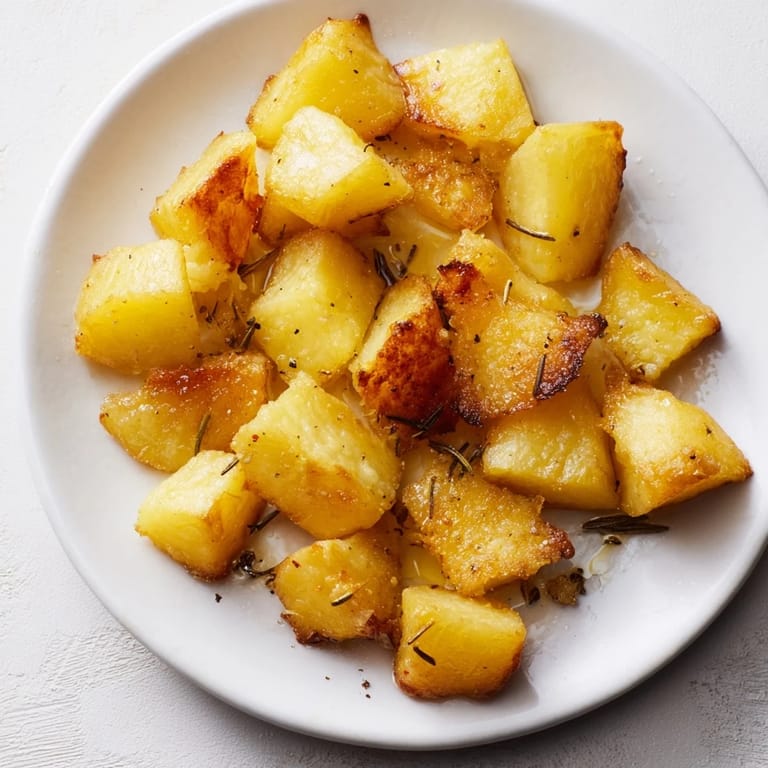
Save There's something deeply satisfying about bringing a warm bowl of these to the table and watching people's faces light up at that first crispy bite. That moment when someone realizes that a simple side dish can be just as memorable as the main course—that's what keeps me coming back to this recipe.
Why Beef Tallow Is Worth the Hunt
Beef tallow has this reputation of being old-fashioned or hard to find, but it's actually making a comeback because people finally understand what they've been missing. It has a higher smoke point than butter, it creates a deeper savory flavor than any neutral oil, and it produces a crust that's genuinely impossible to replicate with anything else. Once you've had potatoes roasted in proper beef tallow, you'll understand why restaurants and home cooks kept this technique alive for centuries. If you can't find tallow at a butcher, ask about beef fat trimmings and render them yourself in a low oven for an hour—it's easier than you'd think and you'll have tallow for weeks of roasting.
The Parboiling Secret No One Talks About
Most people either skip parboiling entirely or boil their potatoes until they're falling apart, and both extremes miss the point entirely. The goal is to cook the interior just enough that it'll become fluffy when roasted, while keeping the exterior firm enough to roughen and crisp. I learned this the hard way after mushy potatoes and undercooked chunks taught me that timing matters more than temperature. The 8–10 minute window is real, and watching the clock during parboiling is way more valuable than guessing. Once you nail this step, everything else falls into place.
Timing, Temperature, and Little Details That Make All the Difference
The exact roasting time depends on your oven, the size of your potato chunks, and how loaded your pan is, so I've learned to check at the 20-minute mark on the second roasting phase rather than blindly following the clock. A golden-brown exterior usually signals doneness, but if you poke one with a fork and it feels tender inside without being mushy, you're right in the zone. The flip at the 20-minute mark is crucial because it ensures both sides get equal access to that hot fat. One more thing: if your oven runs hot or cool, adjust accordingly, because the difference between crispy and burnt is sometimes just 5 minutes.
- Let the potatoes air-dry for 5–10 minutes after draining to remove excess moisture that would otherwise turn to steam.
- Use a sheet with sides (rimmed baking sheet) so the tallow doesn't spill everywhere and you can easily toss the potatoes.
- Serve immediately while they're still hot and crispy, because even 5 minutes of cooling starts to soften that precious crust.
 Save
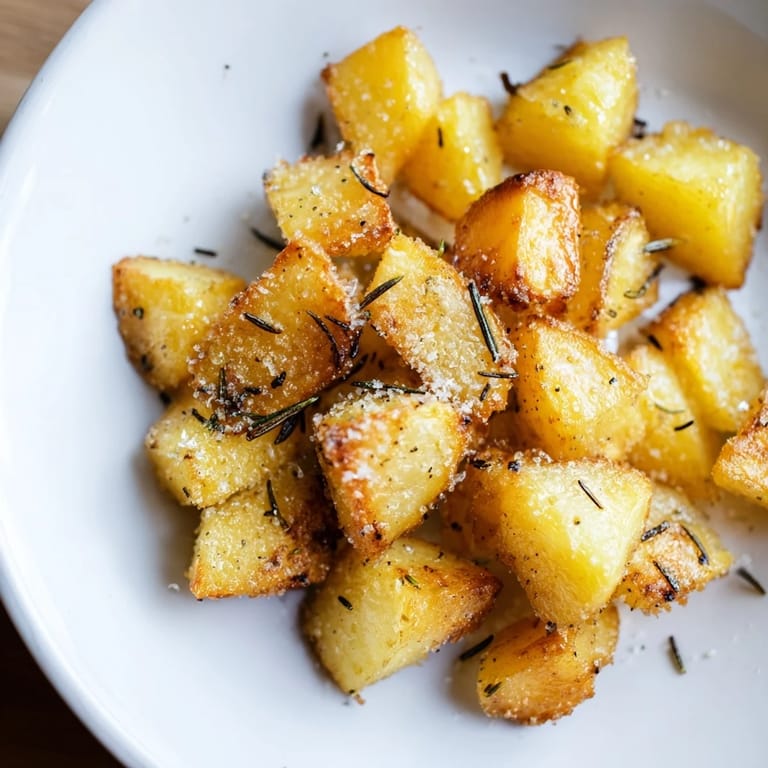
Save There's real joy in serving food that tastes like it came from another era but feels completely natural in your kitchen right now. These potatoes do that every single time.
Cooking Questions & Answers
- → Why use beef tallow for roasting potatoes?
Beef tallow adds a rich, savory flavor and helps create a crispy exterior while keeping the interior fluffy.
- → Can I substitute beef tallow with other fats?
Yes, duck fat or goose fat are excellent alternatives that offer unique flavor profiles.
- → How do I get the potatoes extra crispy?
After boiling and draining, shaking the potatoes roughens the edges, which crisps up nicely during roasting. Air drying for 5-10 minutes before roasting also helps.
- → Should I peel the potatoes before cooking?
Peeling is optional; peeled potatoes allow for a tender interior while roughening the edges enhances crispness.
- → What herbs pair well with these potatoes?
Fresh rosemary or thyme work well, imparting fragrant and earthy notes that complement the beef tallow.