 Save
Save There was a Tuesday night last spring when I stood in front of my pantry with zero energy and even less inspiration. A can of tomatoes, some pasta, and wilted basil on the counter stared back at me. I tossed everything into one pot, stirred in cream at the end, and somehow pulled off the kind of dinner that made my partner look up mid-bite and ask if I'd ordered takeout. That's when I realized one-pot magic isn't about fancy technique—it's about letting good ingredients do the work while you stay out of their way.
I made this for a friend who'd just moved into a new apartment with a kitchen the size of a closet. She only had one decent pan, so I showed her this recipe, and we stood shoulder to shoulder at her tiny stove, stirring and tasting and laughing when the pasta water bubbled over. By the time we sat down on her living room floor with bowls in our laps, the pasta had become something more than dinner—it was the first meal that made her new place feel like home.
Ingredients
- Penne or fusilli pasta (350 g): Short shapes with ridges grab onto the creamy sauce better than smooth noodles, and they cook evenly when submerged in the tomato base.
- Olive oil (2 tbsp): A fruity olive oil adds richness right from the start and helps the onions turn golden without burning.
- Yellow onion (1 medium, finely chopped): Finely chopped onion melts into the sauce and adds a sweet, savory backbone that balances the acidity of the tomatoes.
- Garlic (4 cloves, minced): Fresh garlic blooms in the oil and perfumes the entire dish, so don't skip this step or rush it.
- Red pepper flakes (1/2 tsp, optional): A pinch of heat wakes up the sauce without making it spicy, but you can leave it out if you prefer things mild.
- Canned crushed tomatoes (800 g): Good quality canned tomatoes are picked at peak ripeness and give you deep, consistent flavor year-round.
- Tomato paste (2 tbsp): Concentrated paste adds umami and thickens the sauce, giving it body and a richer red color.
- Sugar (1 tsp): Just a little sugar cuts through tomato acidity and rounds out the flavors so nothing tastes harsh.
- Salt (1 tsp) and black pepper (1/2 tsp): Season boldly at the beginning because the pasta will absorb a lot of the seasoning as it cooks.
- Heavy cream (200 ml): Stirred in at the end, cream turns the tomato sauce silky and luscious without making it feel heavy.
- Parmesan cheese (60 g, freshly grated): Freshly grated Parmesan melts smoothly into the sauce and adds a nutty, salty finish that pre-grated cheese just can't match.
- Fresh basil (1 cup, chopped, plus extra for garnish): Basil stirred in off the heat keeps its bright green color and aromatic punch, making every bite taste alive.
- Water or vegetable broth (600 ml): This liquid cooks the pasta and gets absorbed into the sauce, so using broth instead of water adds an extra layer of flavor.
Tired of Takeout? 🥡
Get 10 meals you can make faster than delivery arrives. Seriously.
One email. No spam. Unsubscribe anytime.
Instructions
- Soften the onion:
- Heat the olive oil in a large, deep skillet or Dutch oven over medium heat, then add the chopped onion and sauté for 3 to 4 minutes until it turns translucent and smells sweet. You want it soft, not browned, so keep the heat gentle and stir occasionally.
- Bloom the garlic:
- Stir in the minced garlic and red pepper flakes, cooking for just 1 minute until the garlic turns fragrant and golden at the edges. If it starts to brown too fast, pull the pan off the heat for a moment.
- Build the tomato base:
- Add the crushed tomatoes, tomato paste, sugar, salt, and black pepper, stirring everything together until the paste dissolves and the sauce looks smooth. This is the flavor foundation, so taste it and adjust the seasoning now if you like.
- Add the pasta and liquid:
- Pour in the uncooked pasta and the water or broth, making sure every piece of pasta is submerged beneath the liquid. Bring the mixture to a boil, stirring once or twice to prevent sticking.
- Simmer until tender:
- Reduce the heat to medium-low, cover the pan, and let it simmer for 12 to 14 minutes, stirring occasionally so the pasta cooks evenly and doesn't clump. The pasta should be al dente and most of the liquid absorbed, leaving a thick, saucy consistency.
- Stir in the cream and cheese:
- Remove the lid and stir in the heavy cream and grated Parmesan, cooking uncovered for 2 to 3 minutes until the sauce turns creamy and clings to the pasta. The sauce will thicken as it cools, so don't worry if it looks a little loose at first.
- Fold in the basil:
- Take the pan off the heat and gently fold in the chopped basil, letting the residual warmth wilt the leaves just enough to release their fragrance. Taste and add more salt or pepper if needed.
- Serve and garnish:
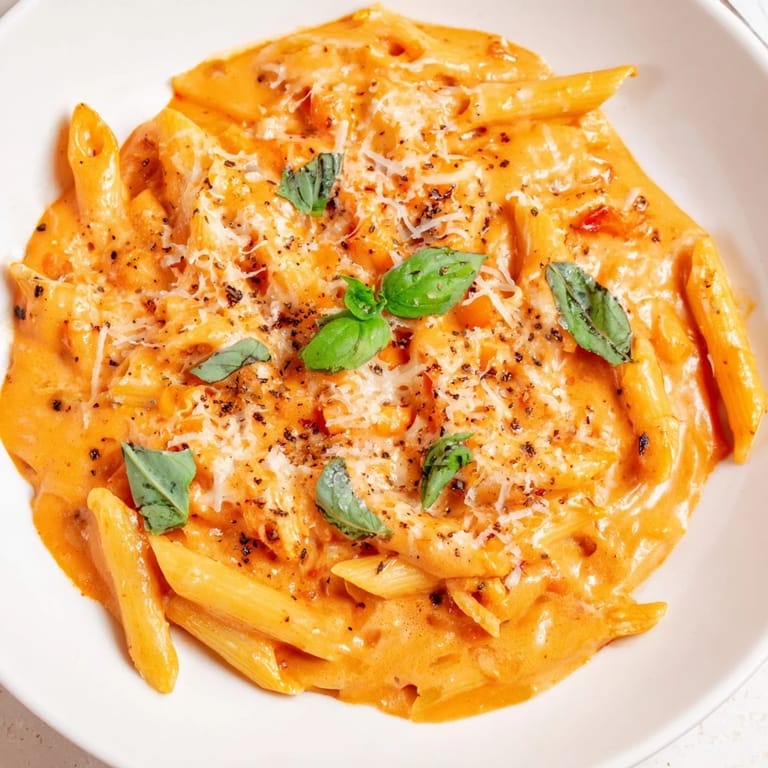
- Spoon the pasta into bowls while it's still hot, then top with extra basil leaves and a generous sprinkle of Parmesan. Serve immediately and watch it disappear.
 Save
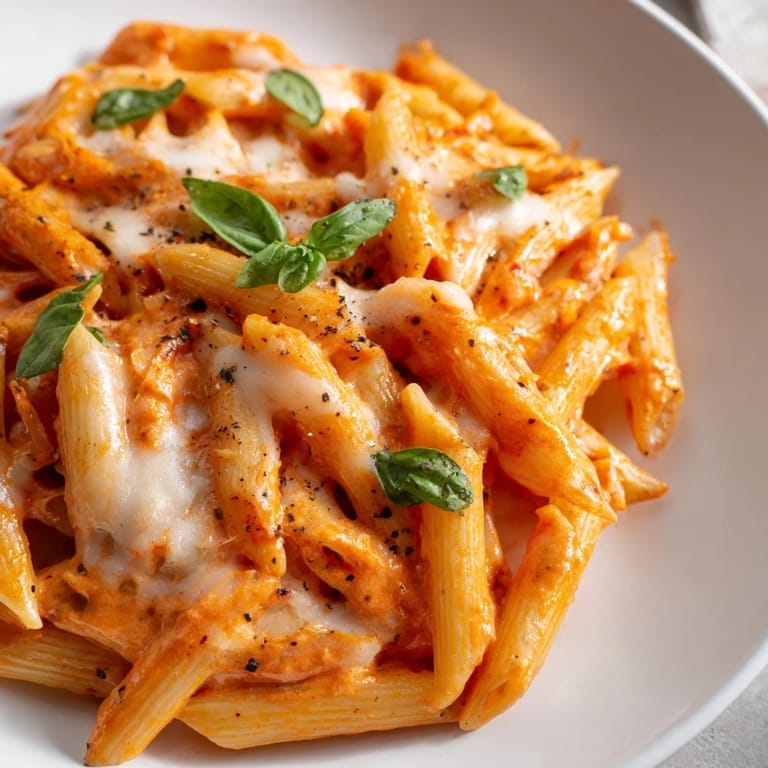
Save One winter evening, I made this pasta for my sister after she'd had a long, terrible day at work. She sat at my kitchen table in silence, twirling her fork, and after a few bites she finally exhaled and said it tasted like a hug. I didn't need any other review after that—I knew this recipe had earned its place in my rotation.
Flavor Variations You Can Try
I've stirred in handfuls of baby spinach during the last two minutes of cooking, and the leaves wilt right into the sauce without any extra effort. Sautéed mushrooms add an earthy richness that makes the dish feel more substantial, and roasted red peppers folded in at the end bring a sweet, smoky note that pairs beautifully with the basil. If you want protein, shredded rotisserie chicken or cooked Italian sausage can be tossed in just before serving, turning this into a heartier meal without changing the core flavors.
How to Store and Reheat Leftovers
Let the pasta cool completely, then transfer it to an airtight container and refrigerate for up to three days. When you reheat it, add a splash of water or broth to loosen the sauce, because the pasta will have absorbed more liquid as it sat. I usually warm it gently in a skillet over medium-low heat, stirring until it's creamy again, though you can also microwave it in short bursts, stirring between each one. The flavors deepen overnight, so don't be surprised if your leftovers taste even better than the first serving.
Pairing Suggestions and Serving Ideas
I always serve this with a simple arugula salad dressed in lemon juice and olive oil, because the peppery greens cut through the richness of the cream. A crusty baguette or garlic bread is perfect for mopping up every last bit of sauce from the bottom of the bowl. If you're pouring wine, a crisp Pinot Grigio or a light Chianti complements the tomato and basil without overpowering the dish.
- Top with toasted pine nuts or breadcrumbs for a crunchy contrast.
- Finish with a drizzle of good extra-virgin olive oil and a few shavings of fresh Parmesan right before serving.
- If you have leftover fresh herbs, try adding a handful of torn parsley or oregano along with the basil for an herbaceous twist.
 Save
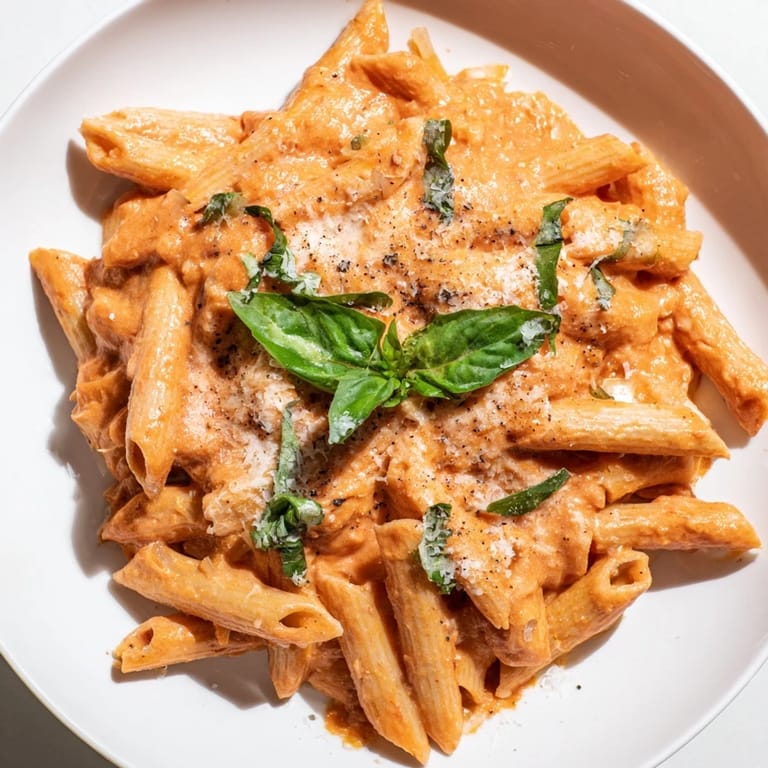
Save This pasta has become my go-to whenever I need comfort in a bowl and don't want to spend the evening washing dishes. Every time I make it, I'm reminded that the best recipes are the ones that feed you twice—once with the food, and once with the memory of everyone who's ever shared it with you.
Cooking Questions & Answers
- → What type of pasta works best for this dish?
Penne or fusilli pasta are ideal as their shapes hold the creamy sauce well, but other short pastas can work too.
- → Can I make this dish vegan?
Yes, you can substitute the heavy cream and Parmesan with plant-based alternatives for a vegan-friendly version.
- → How do I avoid overcooking the pasta when cooking in one pot?
Keep an eye on the cooking time, stir occasionally, and test pasta for al dente texture as liquid reduces.
- → What herbs enhance the flavor besides basil?
Fresh basil is the highlight, but adding a sprinkle of oregano or thyme can complement the tomato base nicely.
- → Can I add vegetables to this dish?
Yes, sautéed mushrooms, spinach, or roasted vegetables make great additions for extra texture and nutrition.